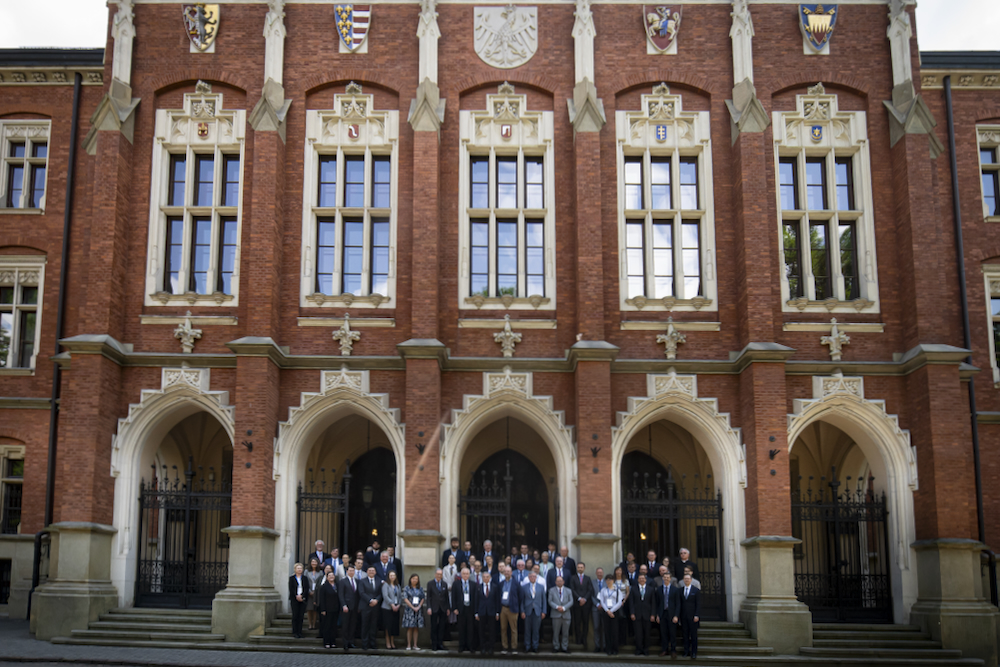
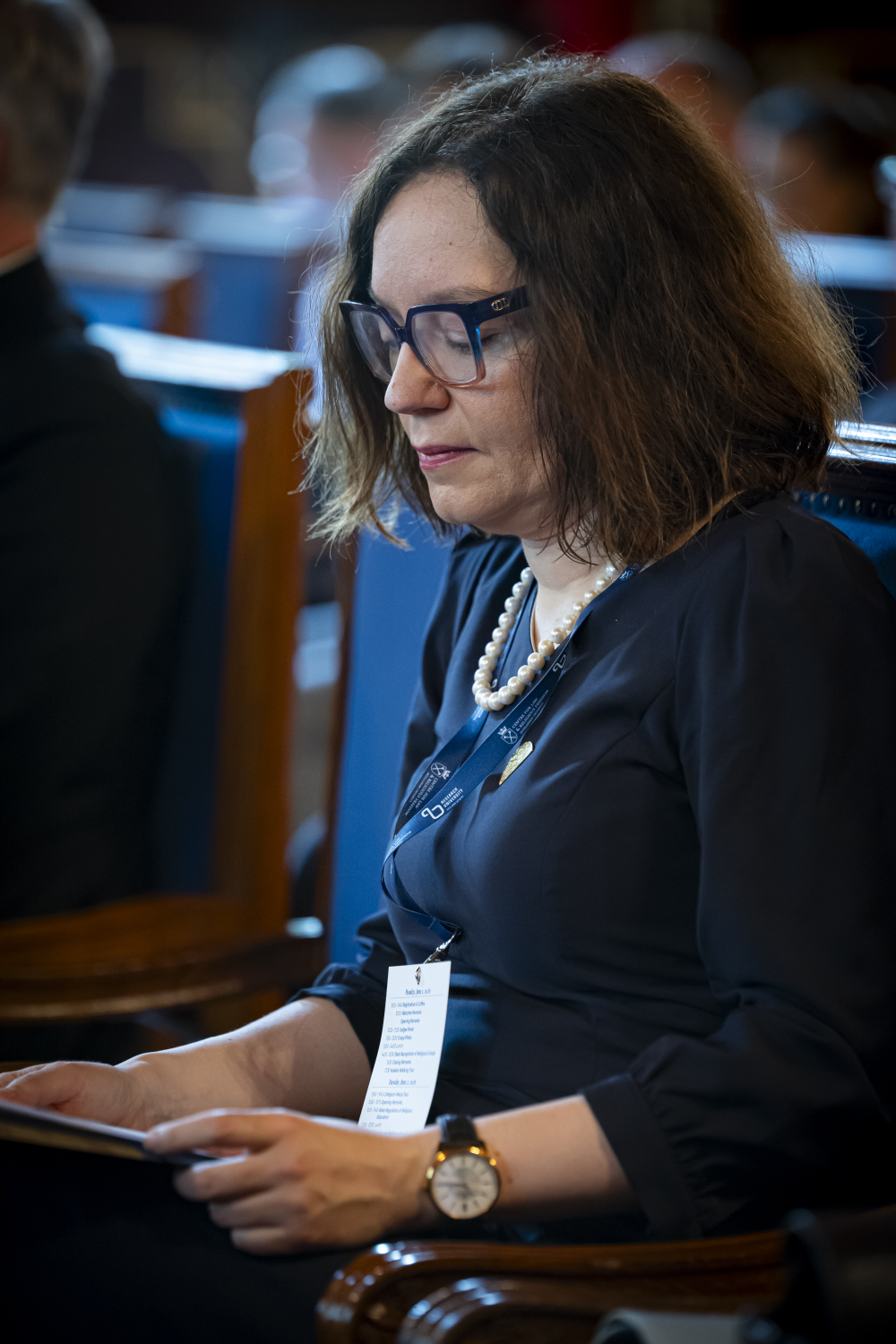
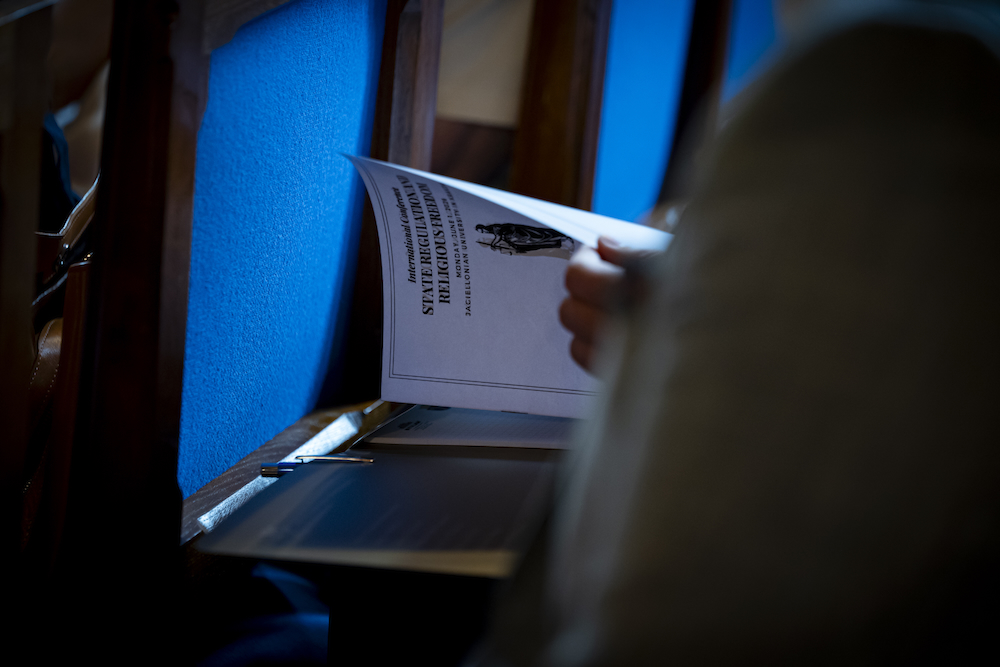
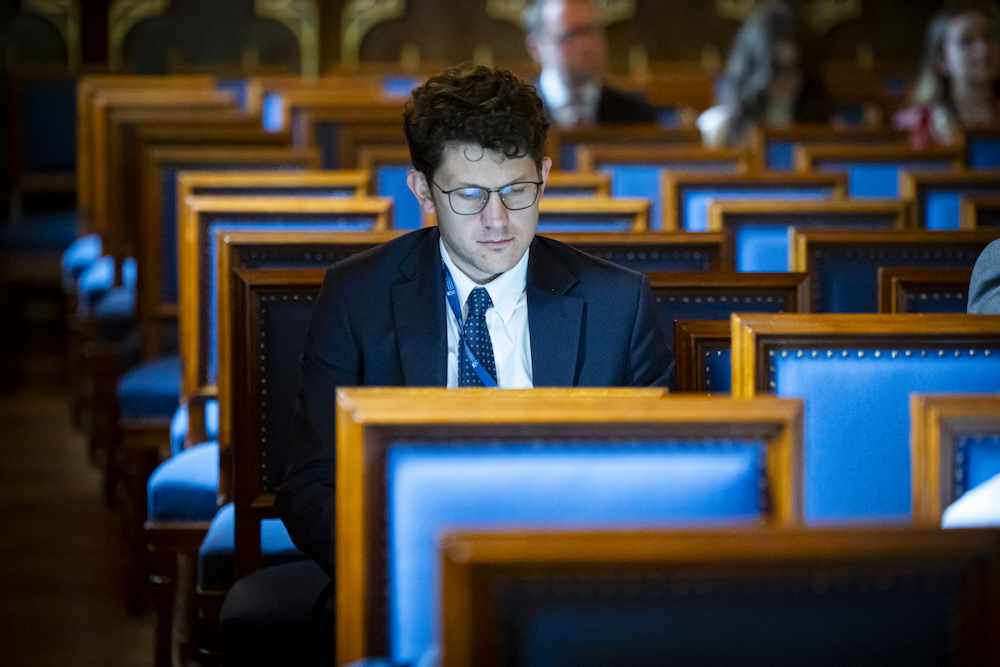
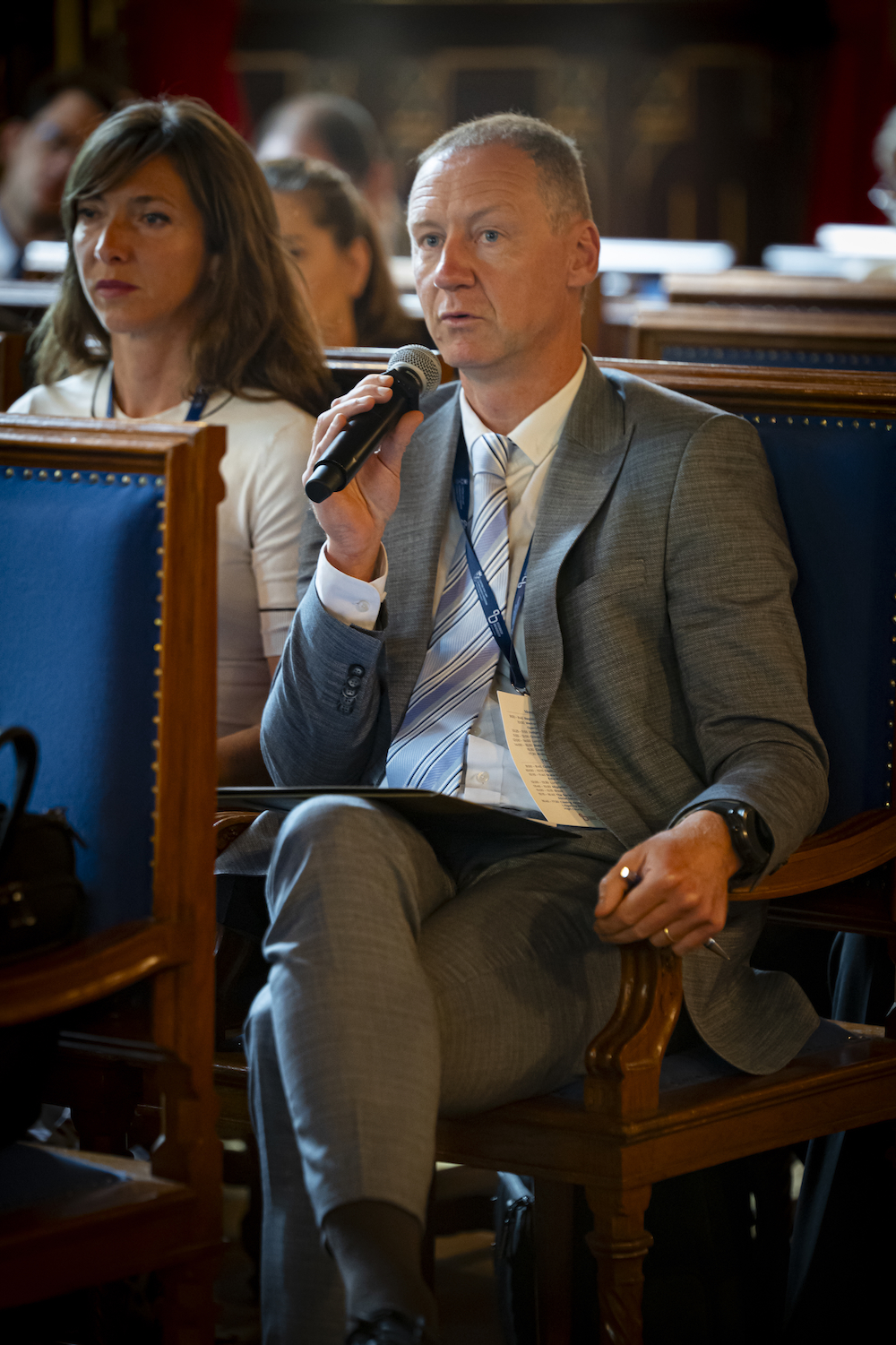
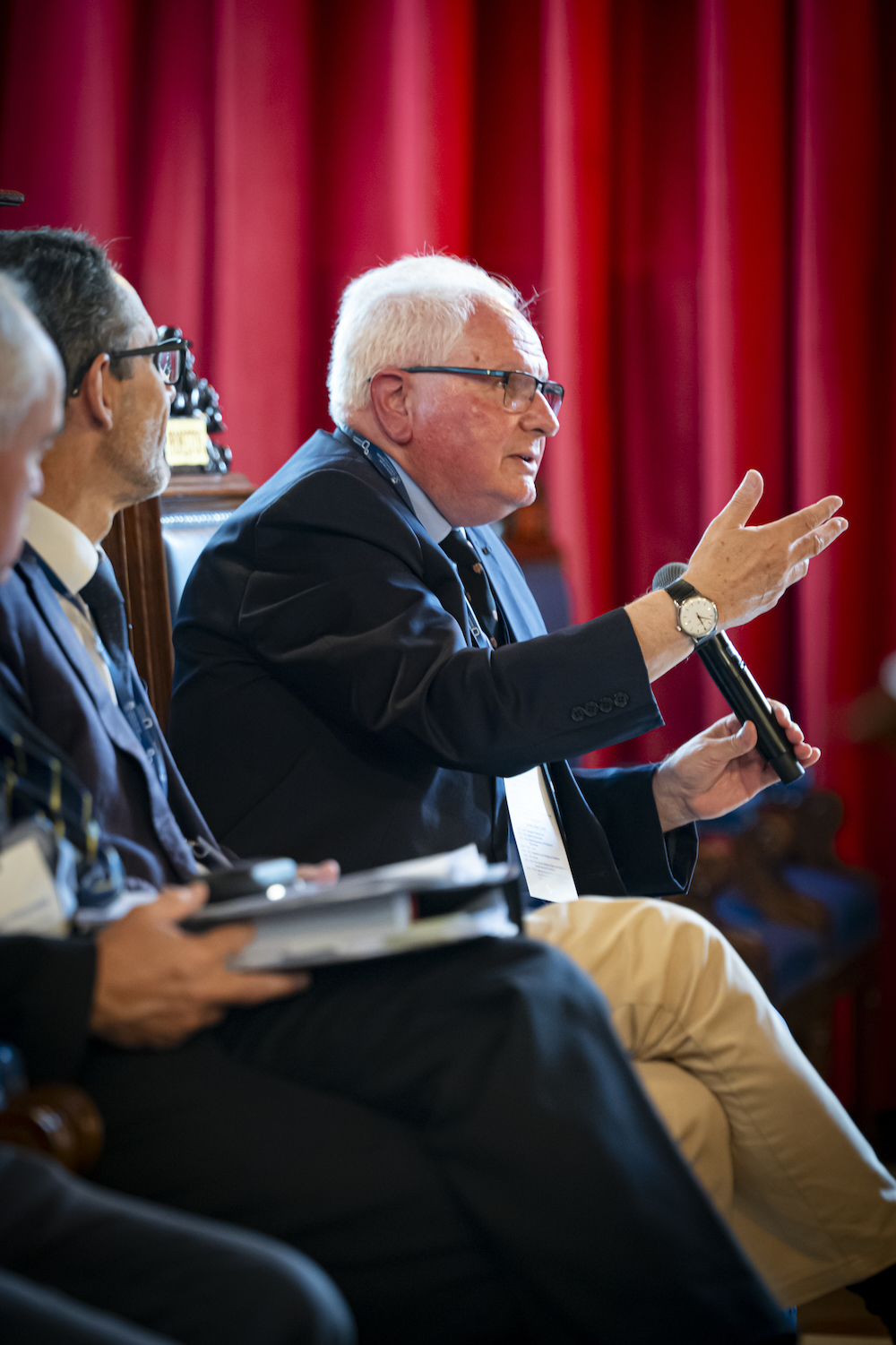
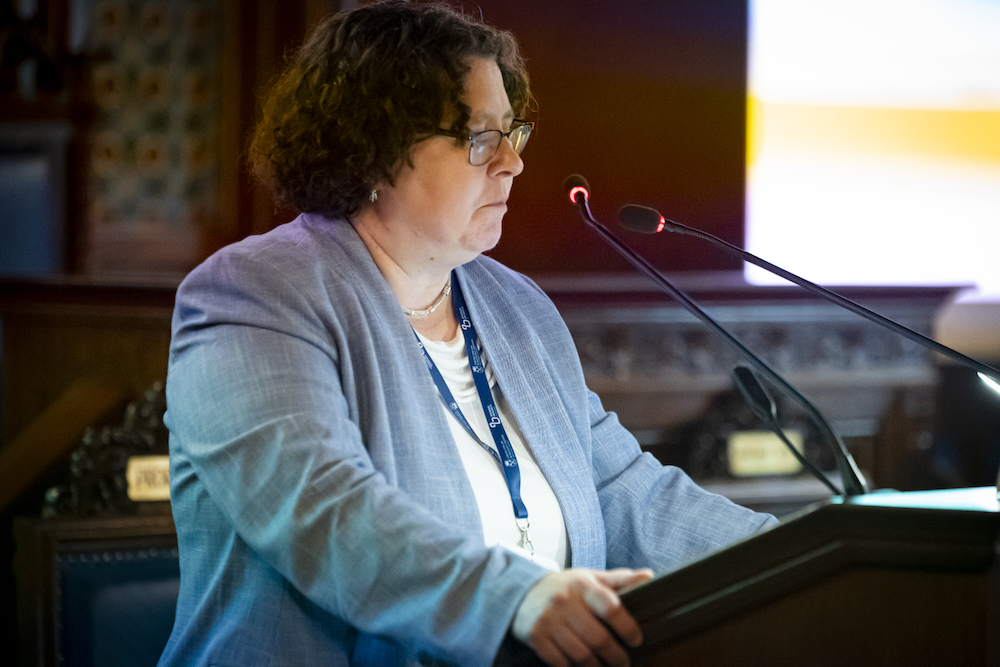
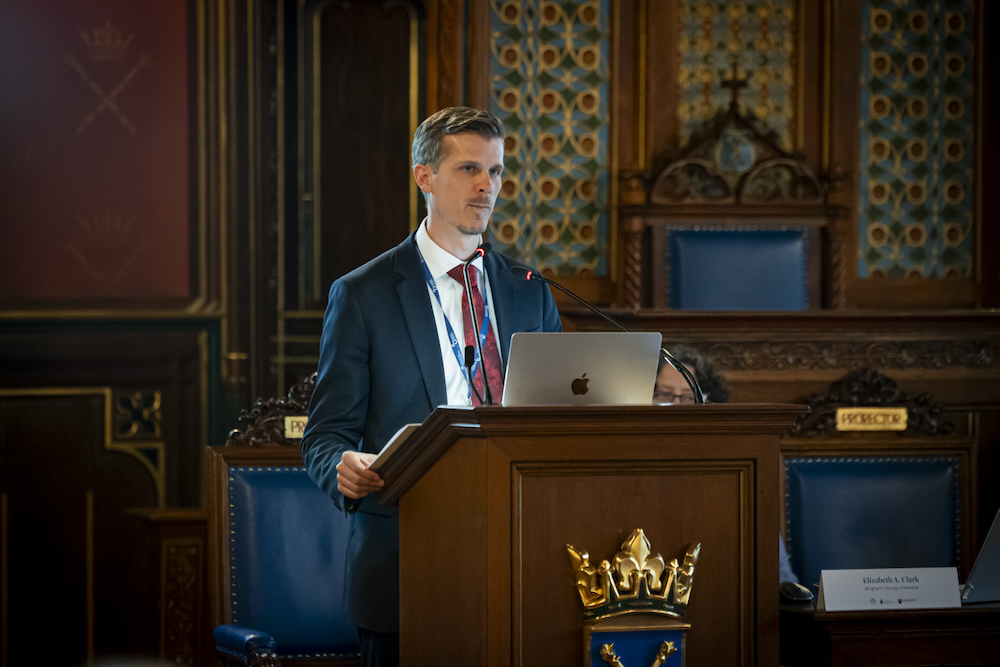
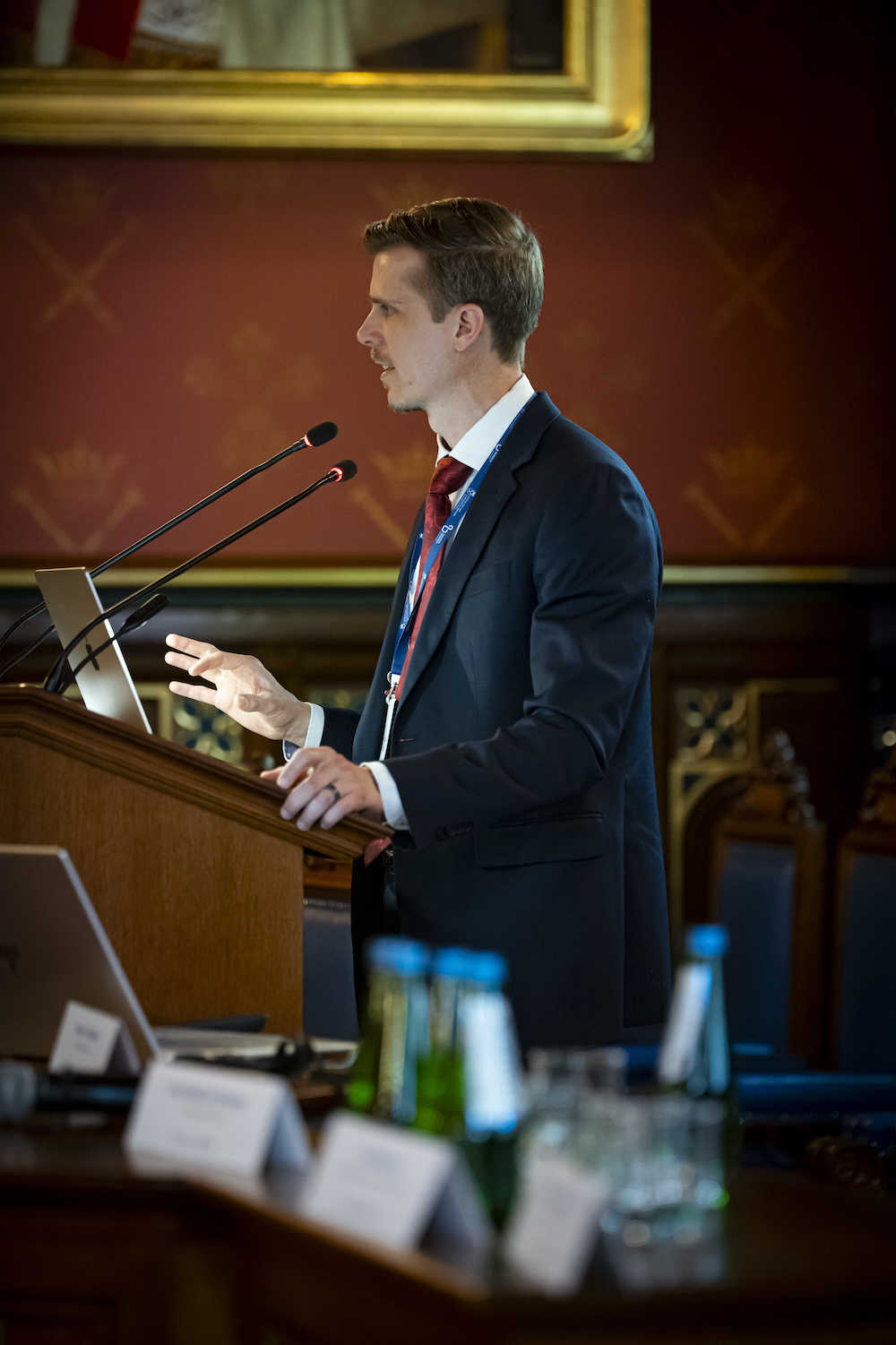
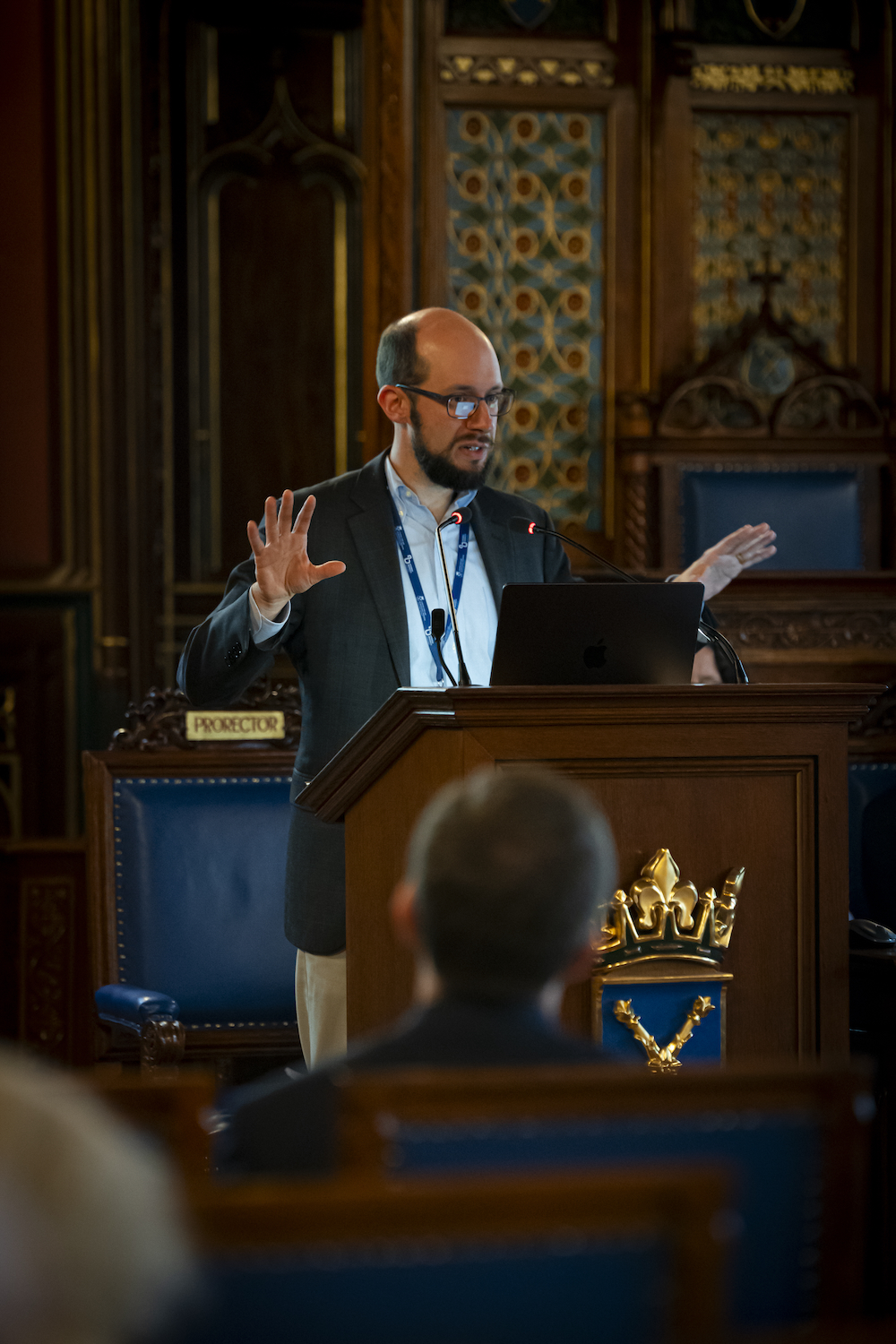
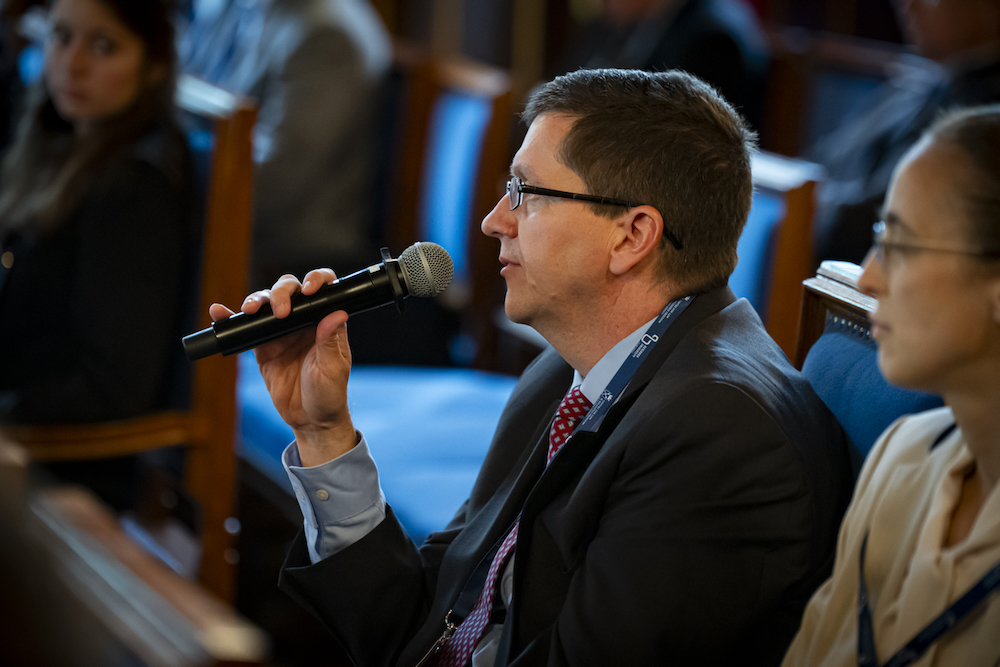
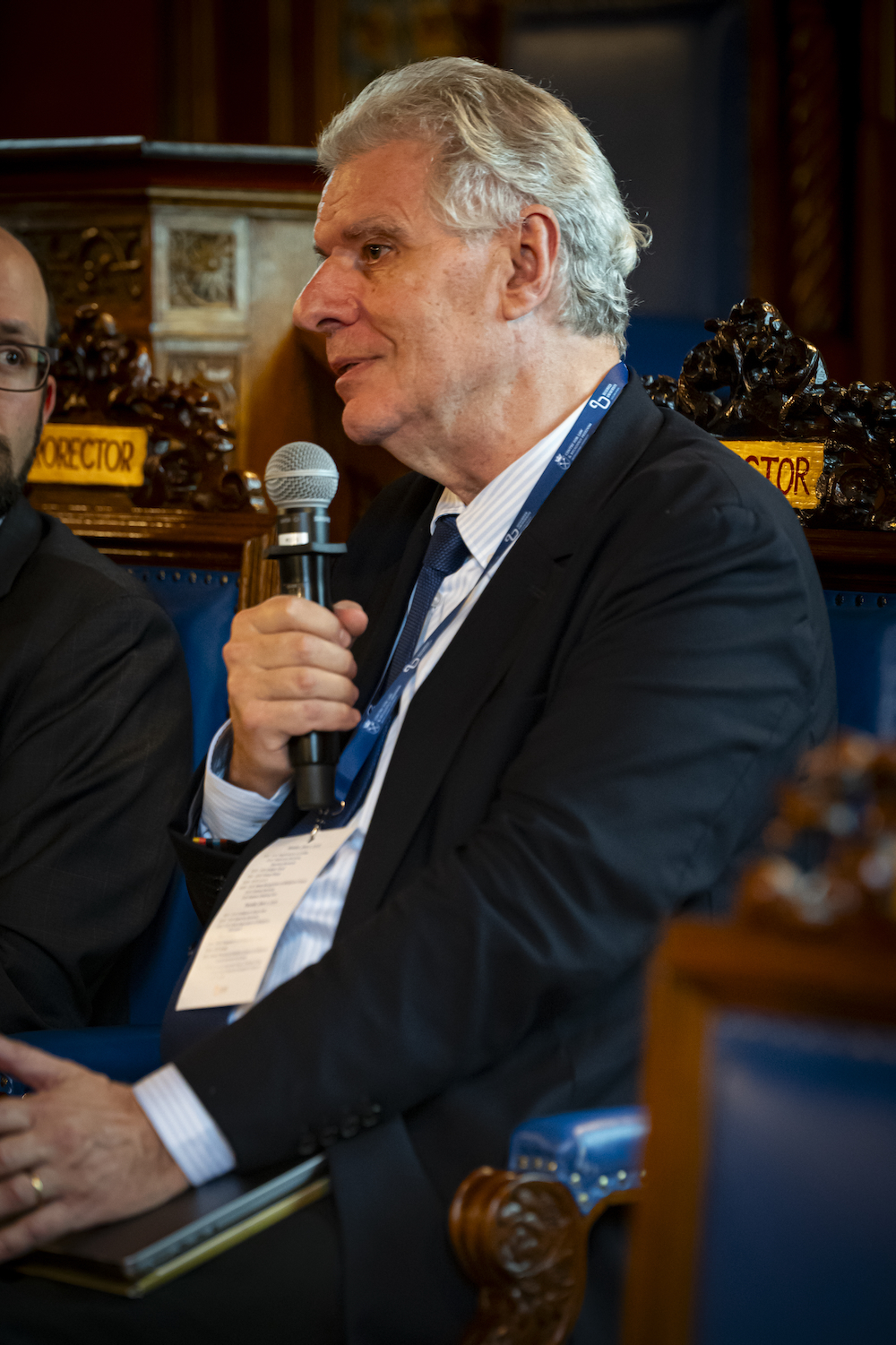
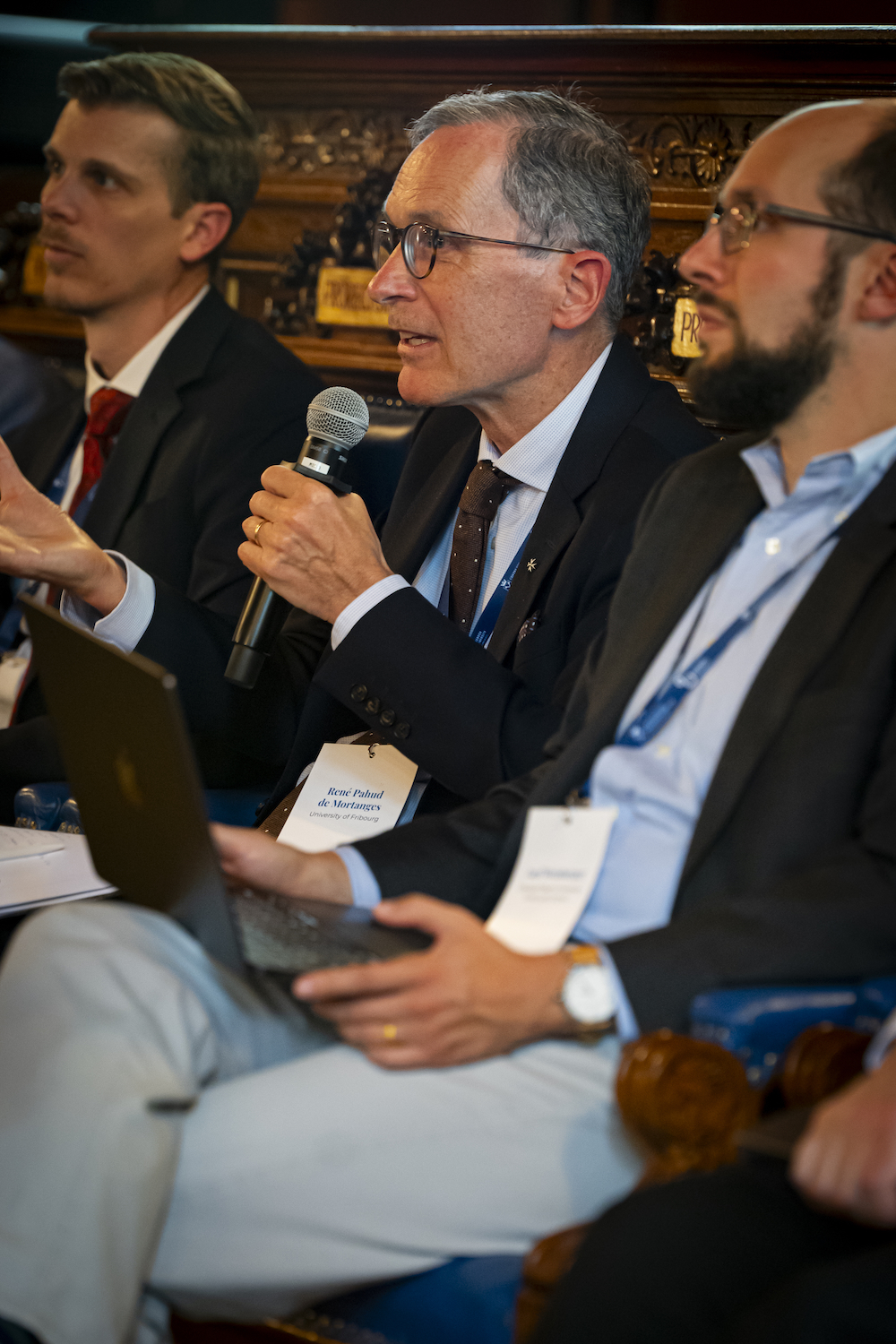
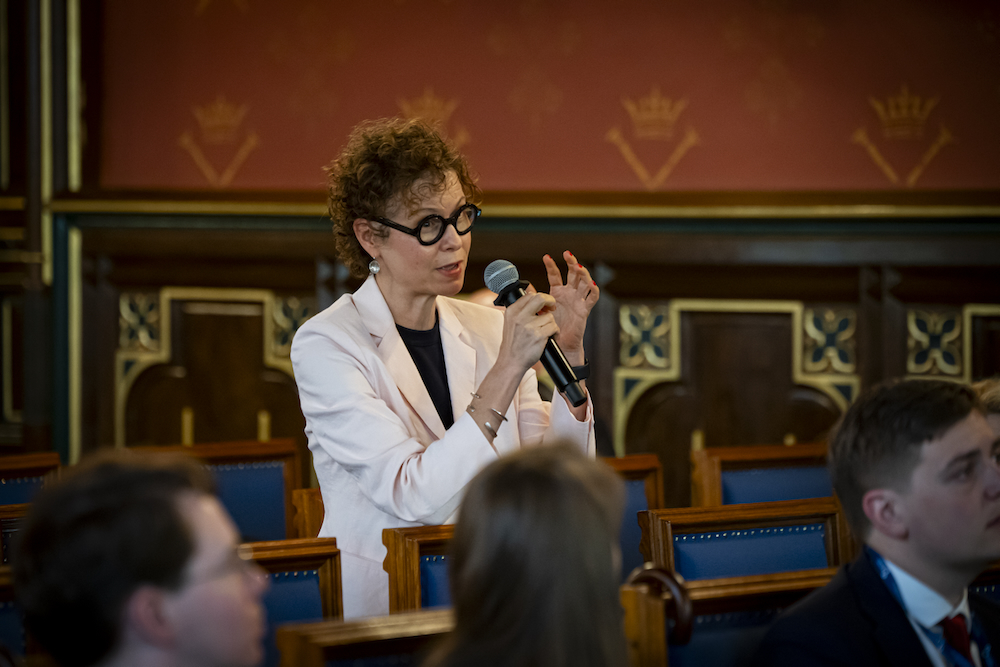
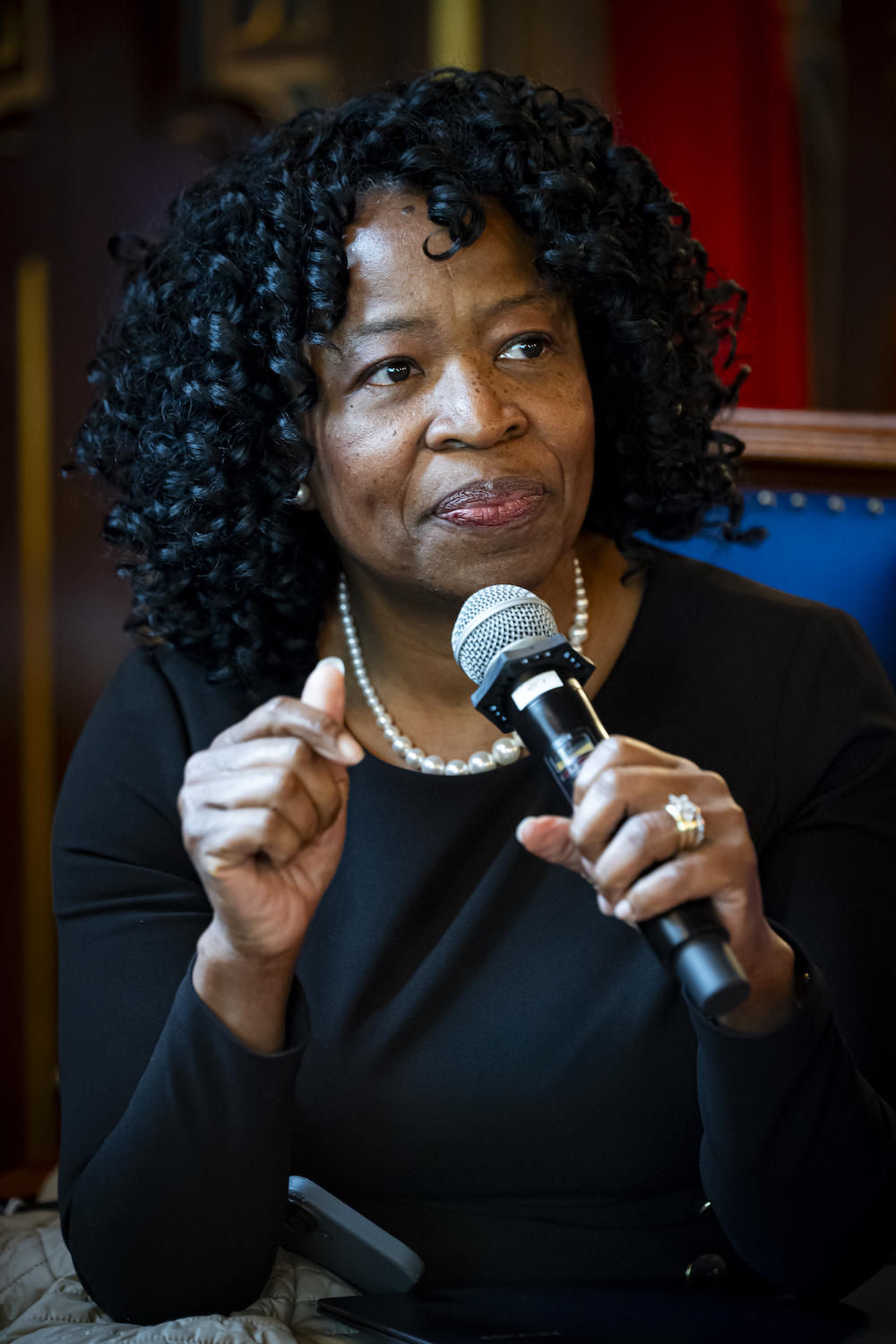
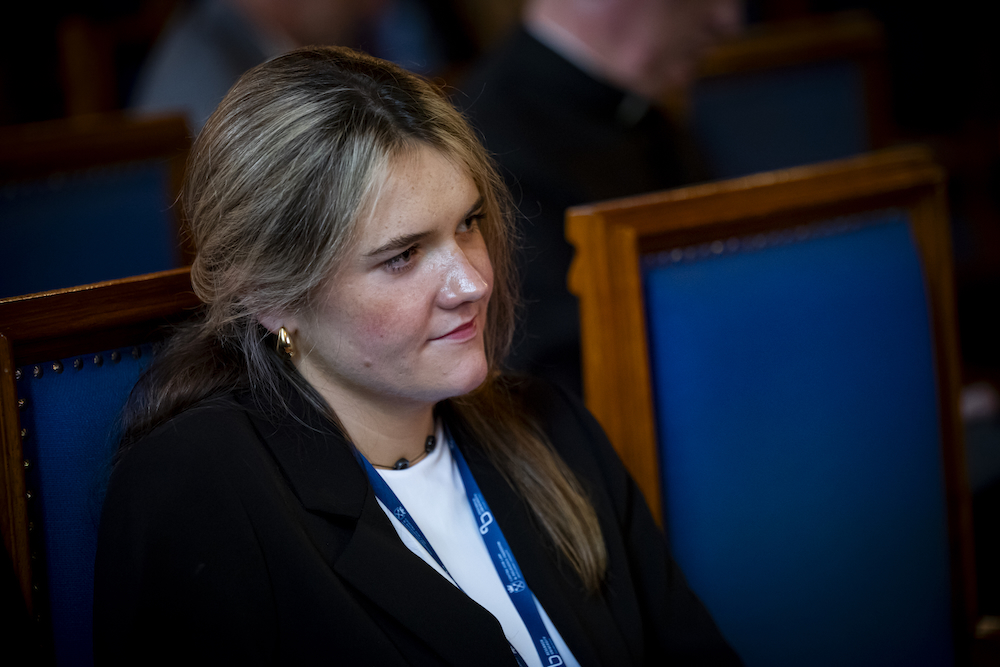
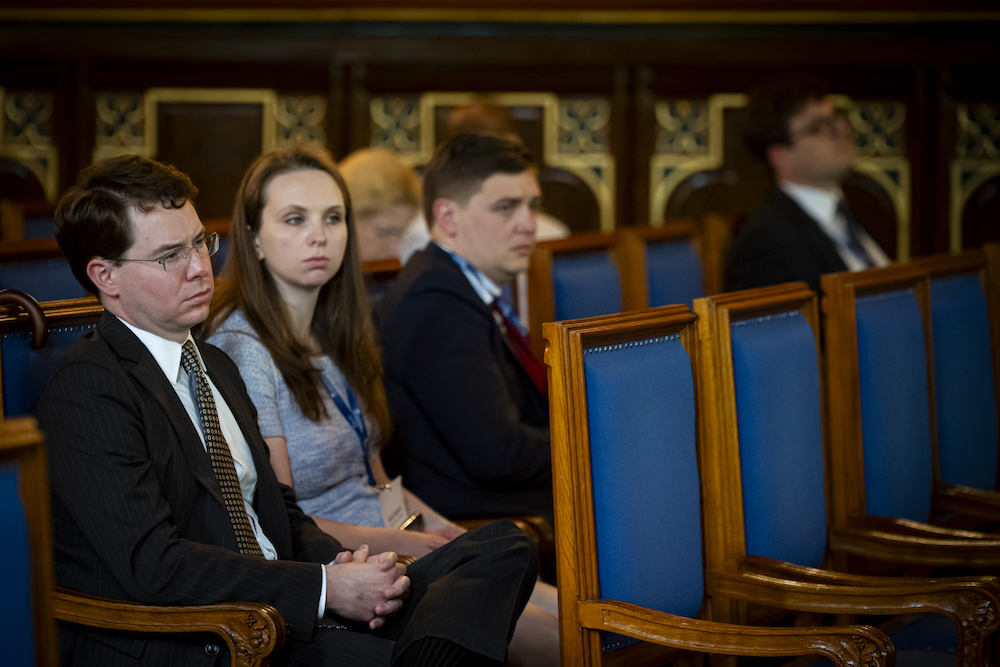
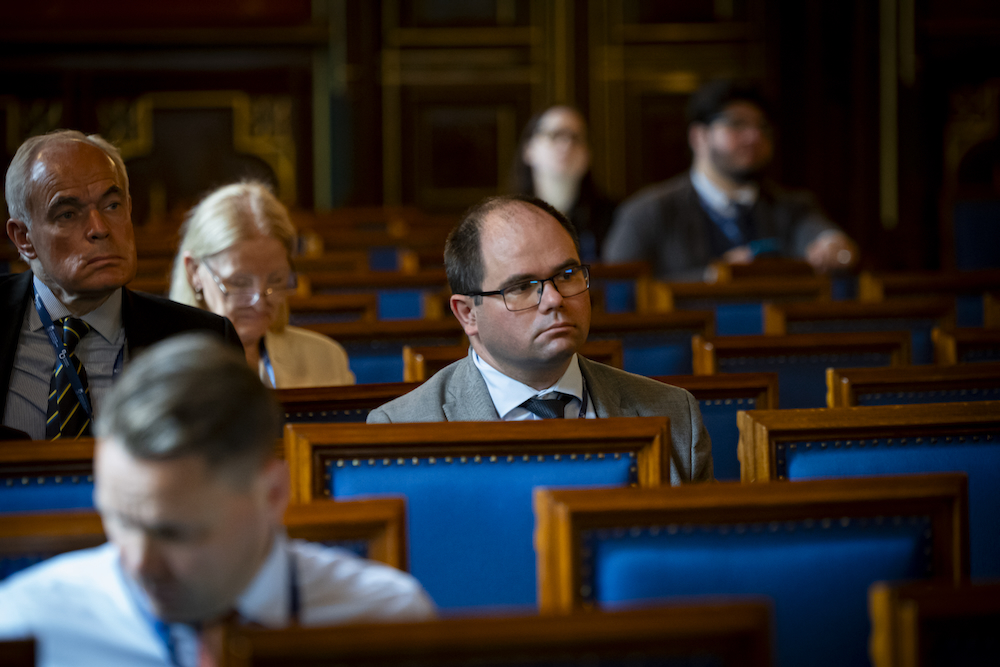
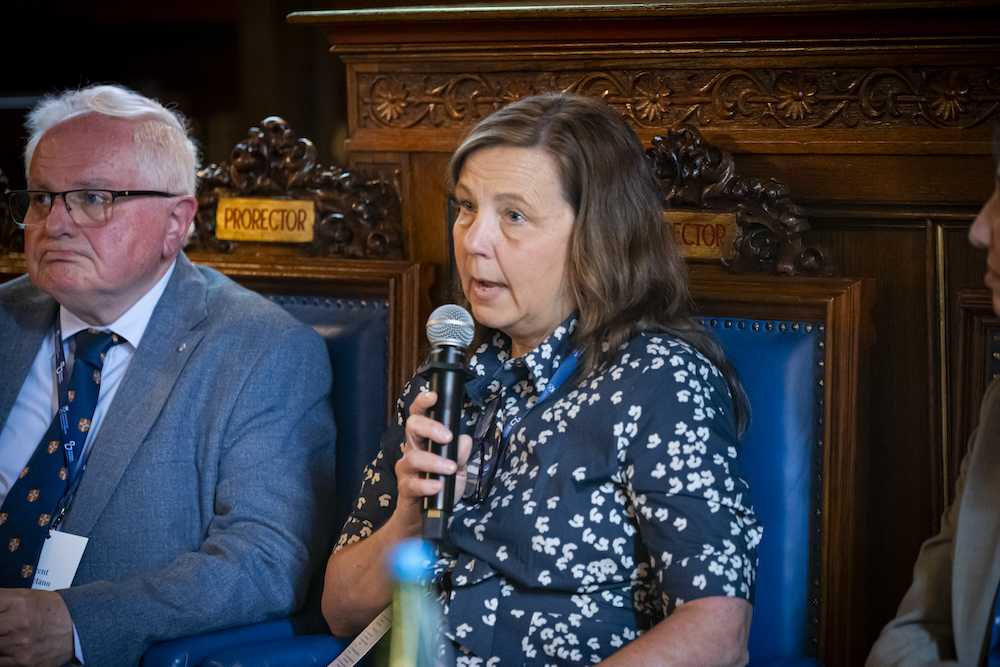
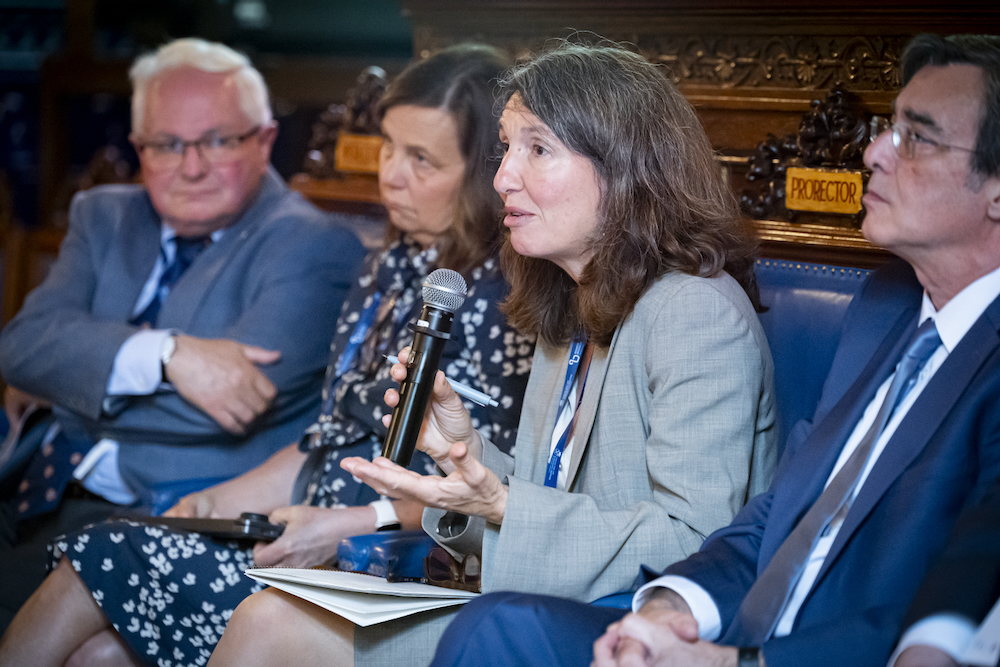
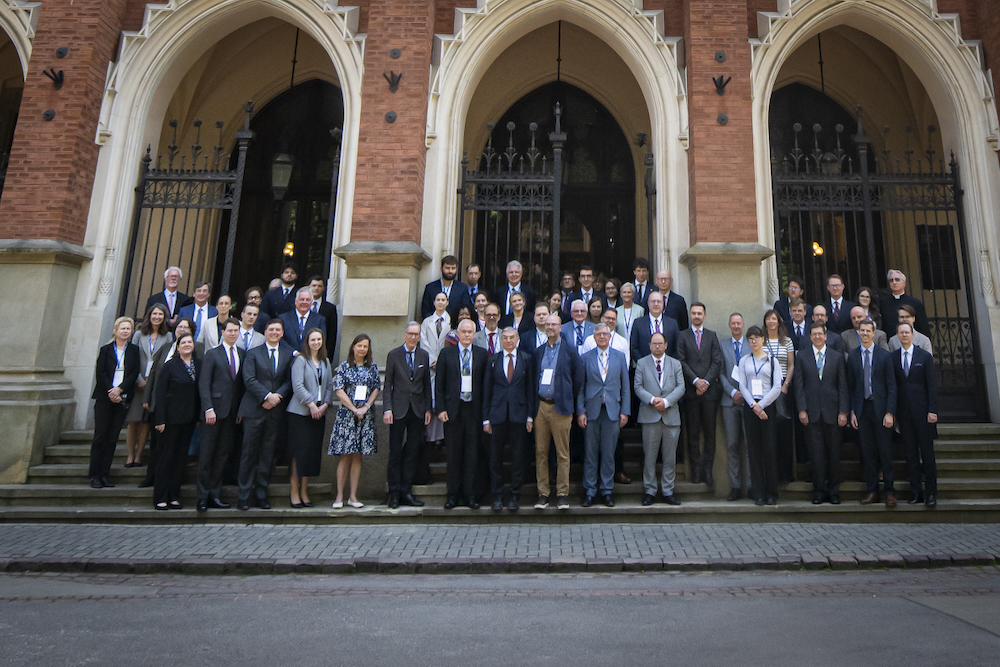
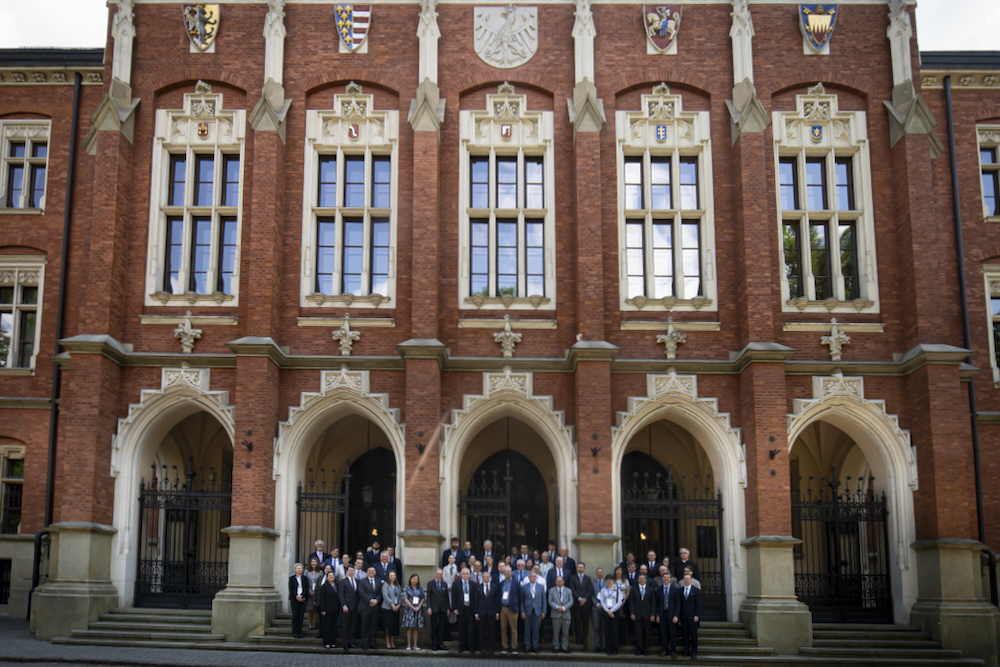
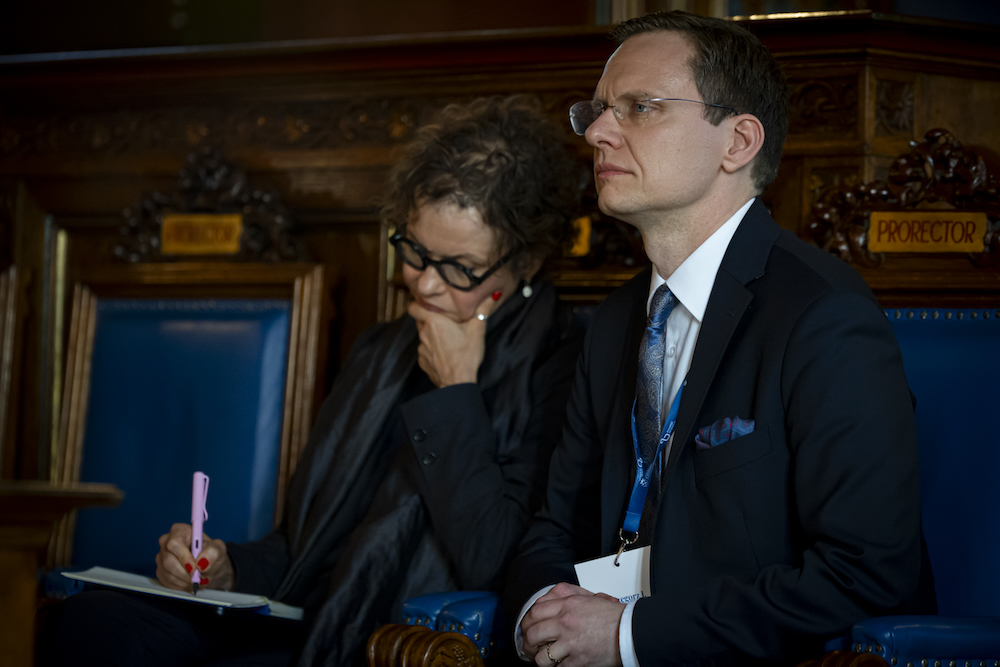
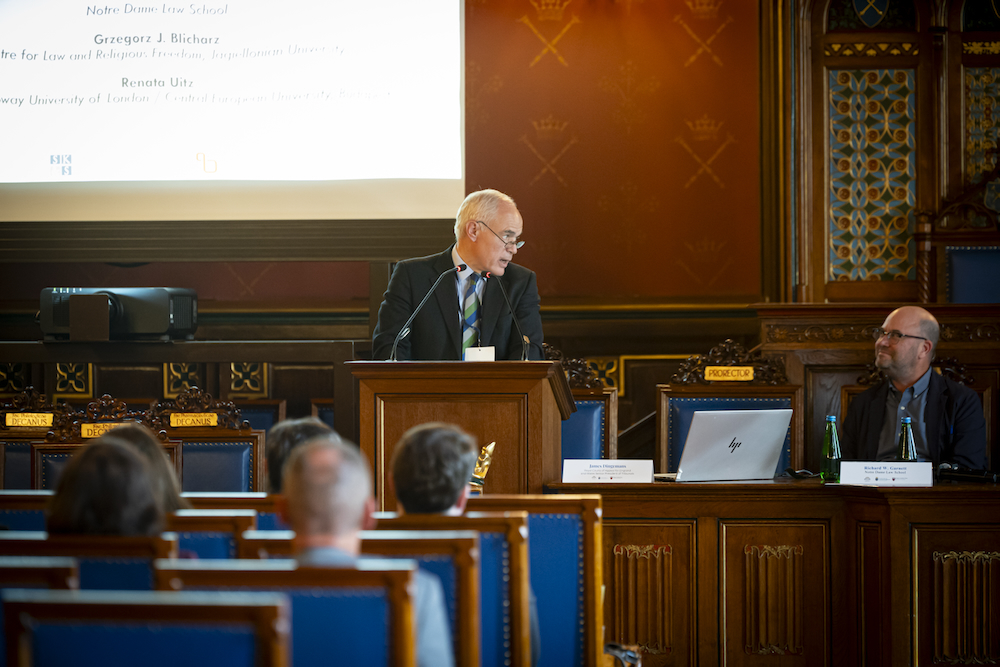
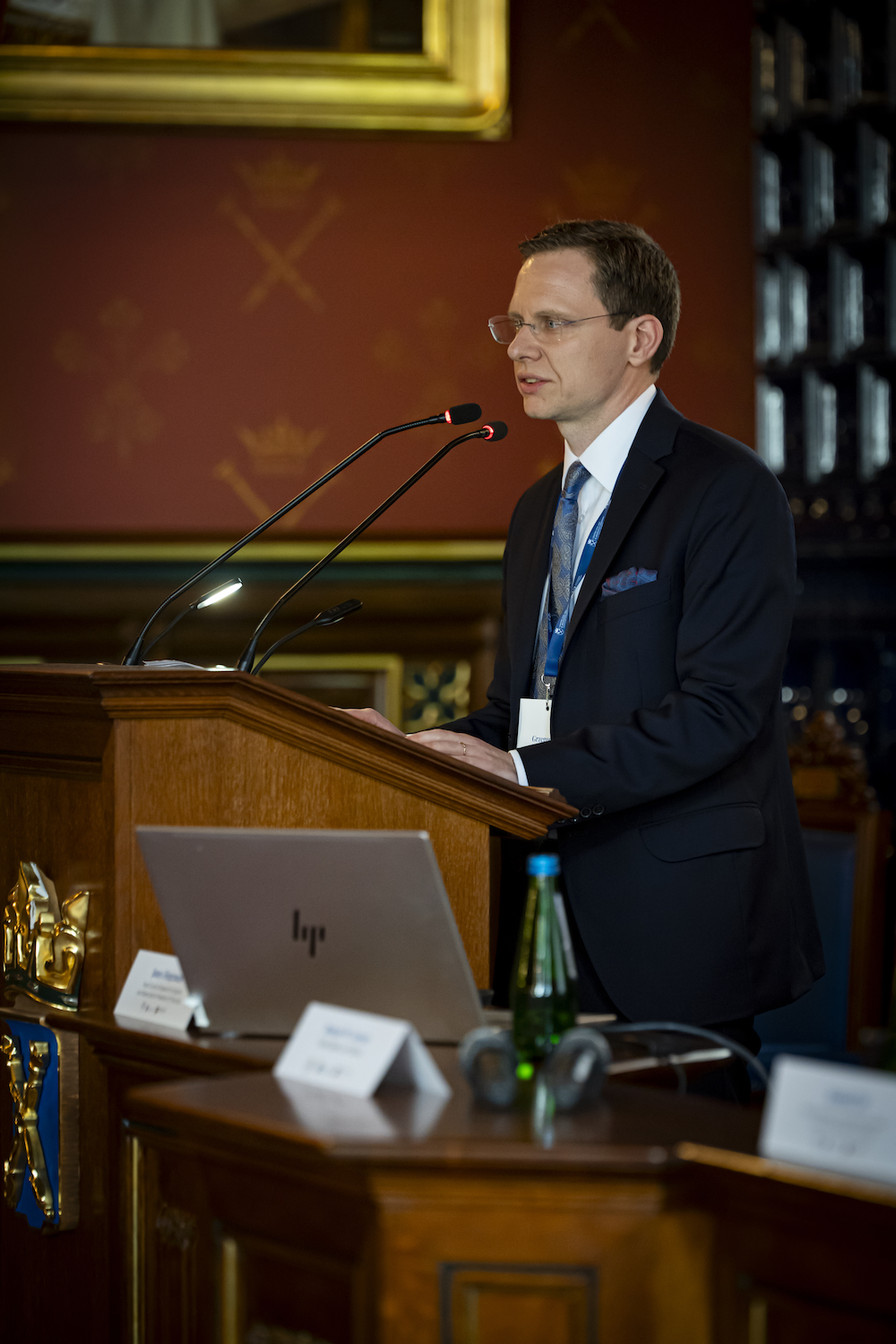
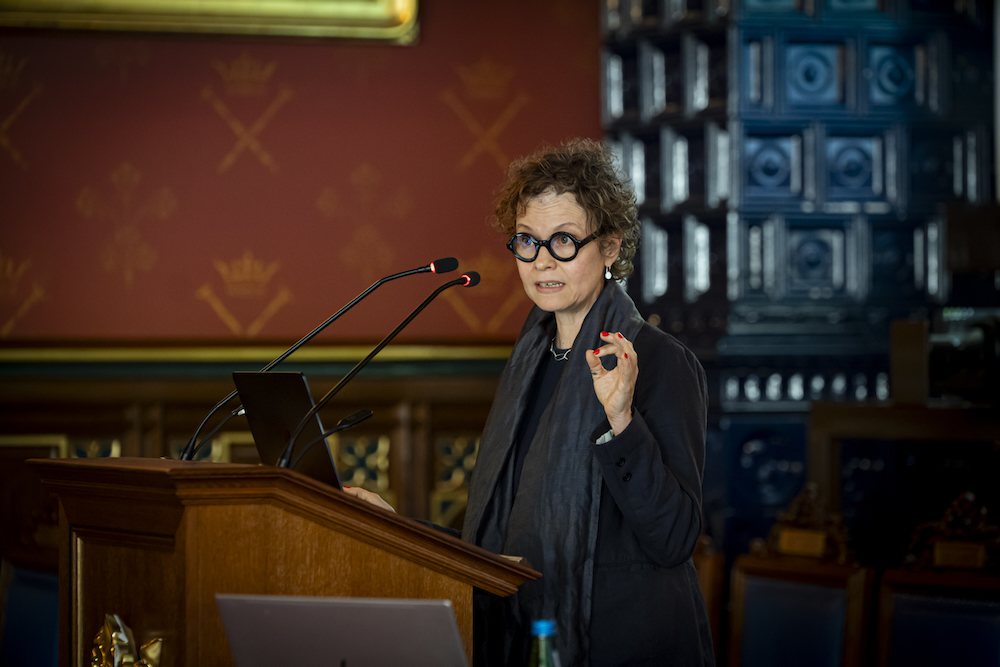
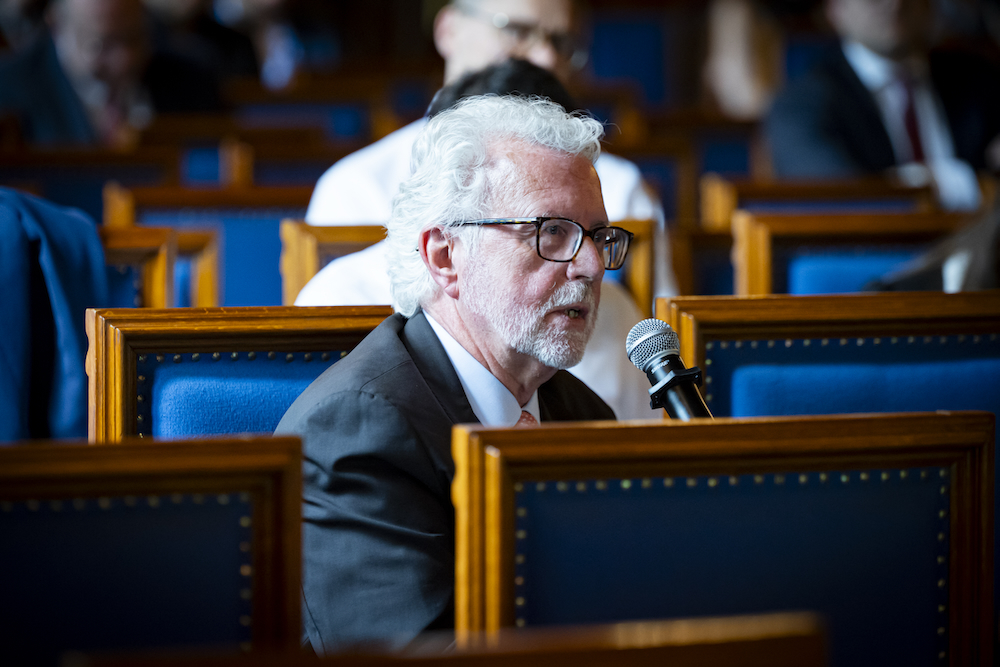
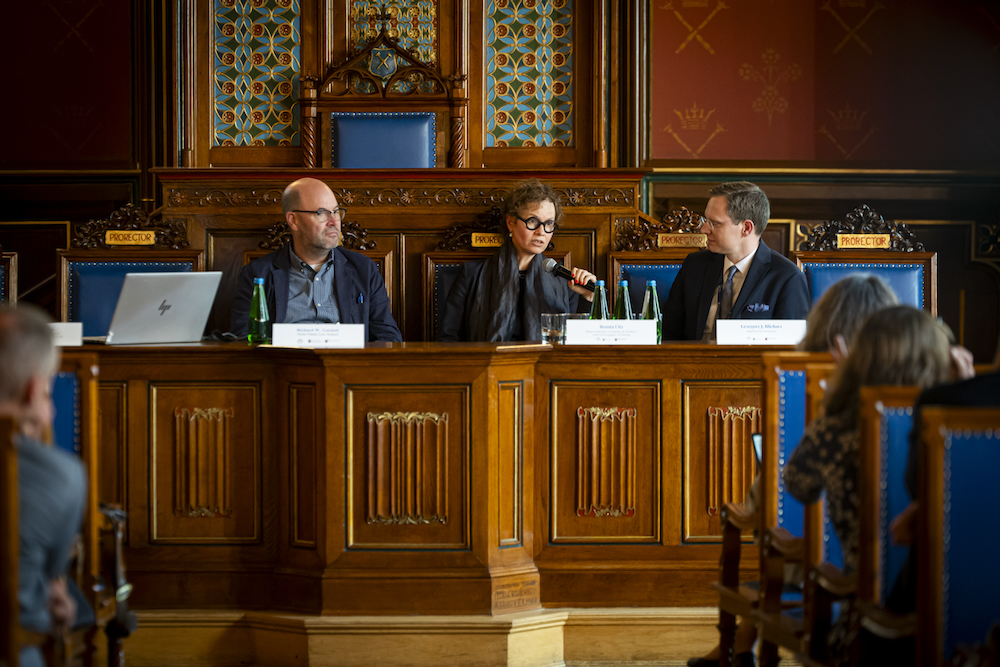
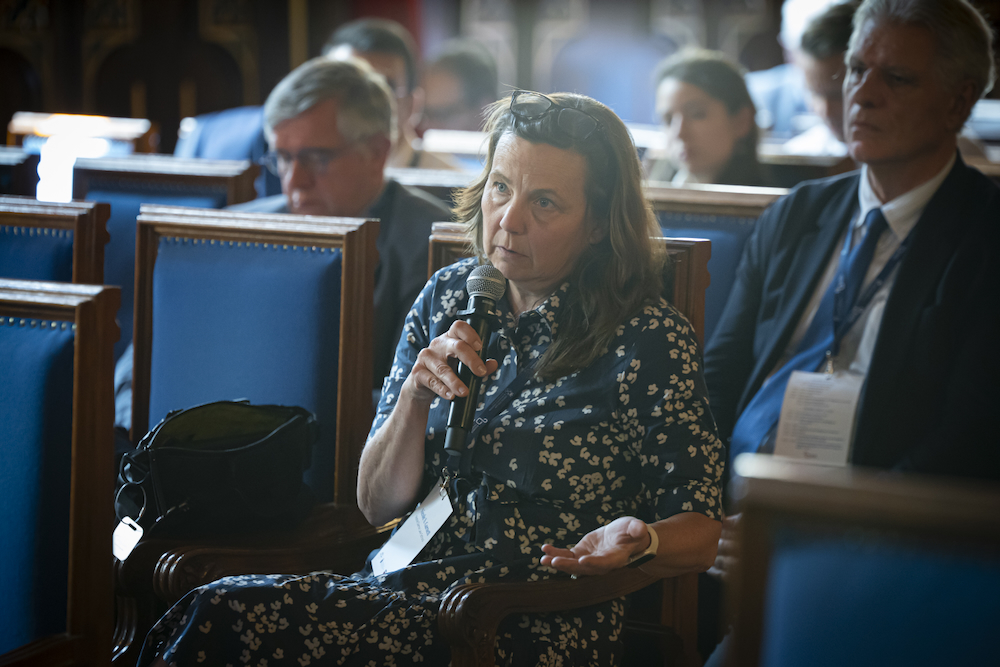
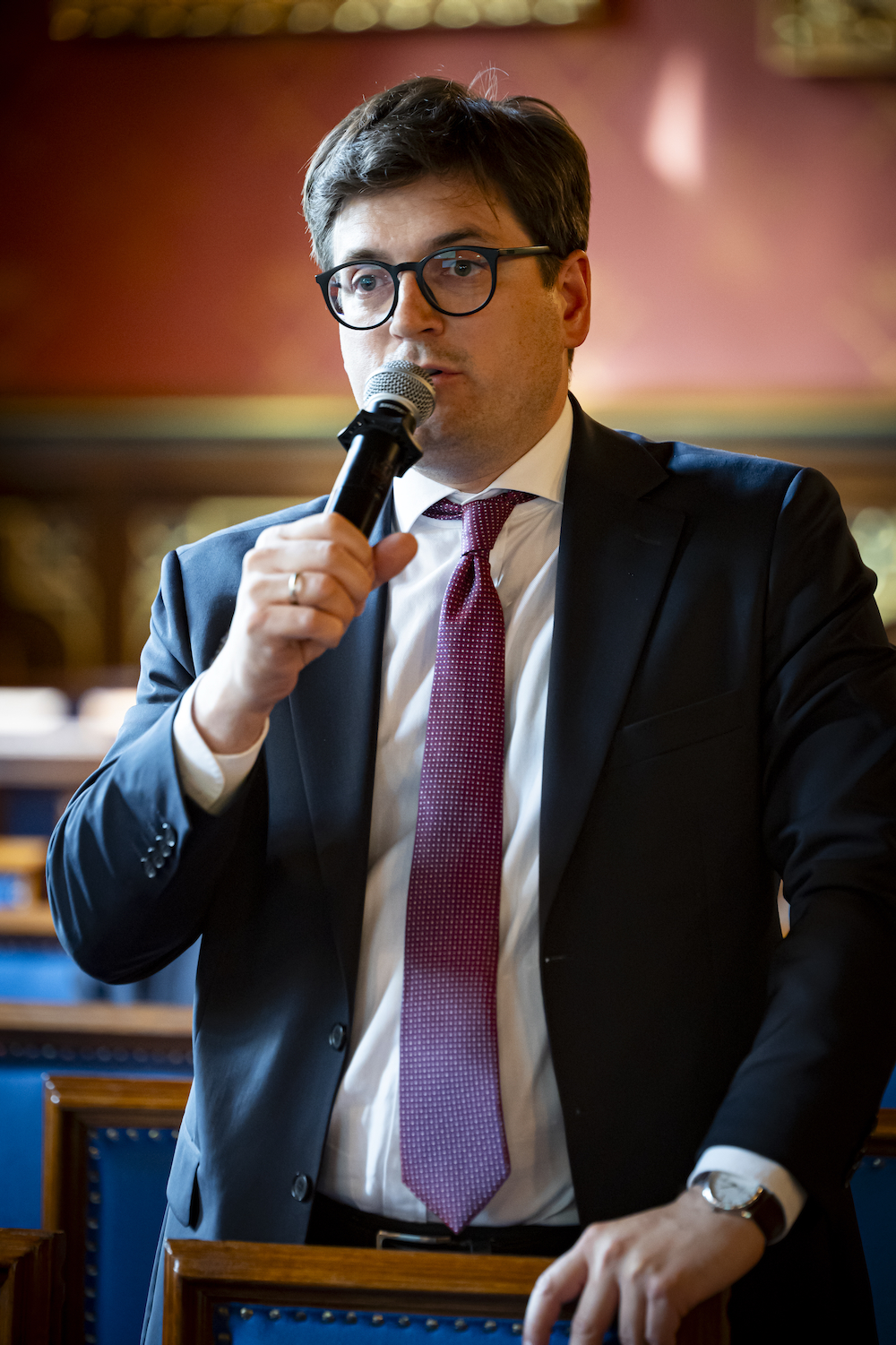
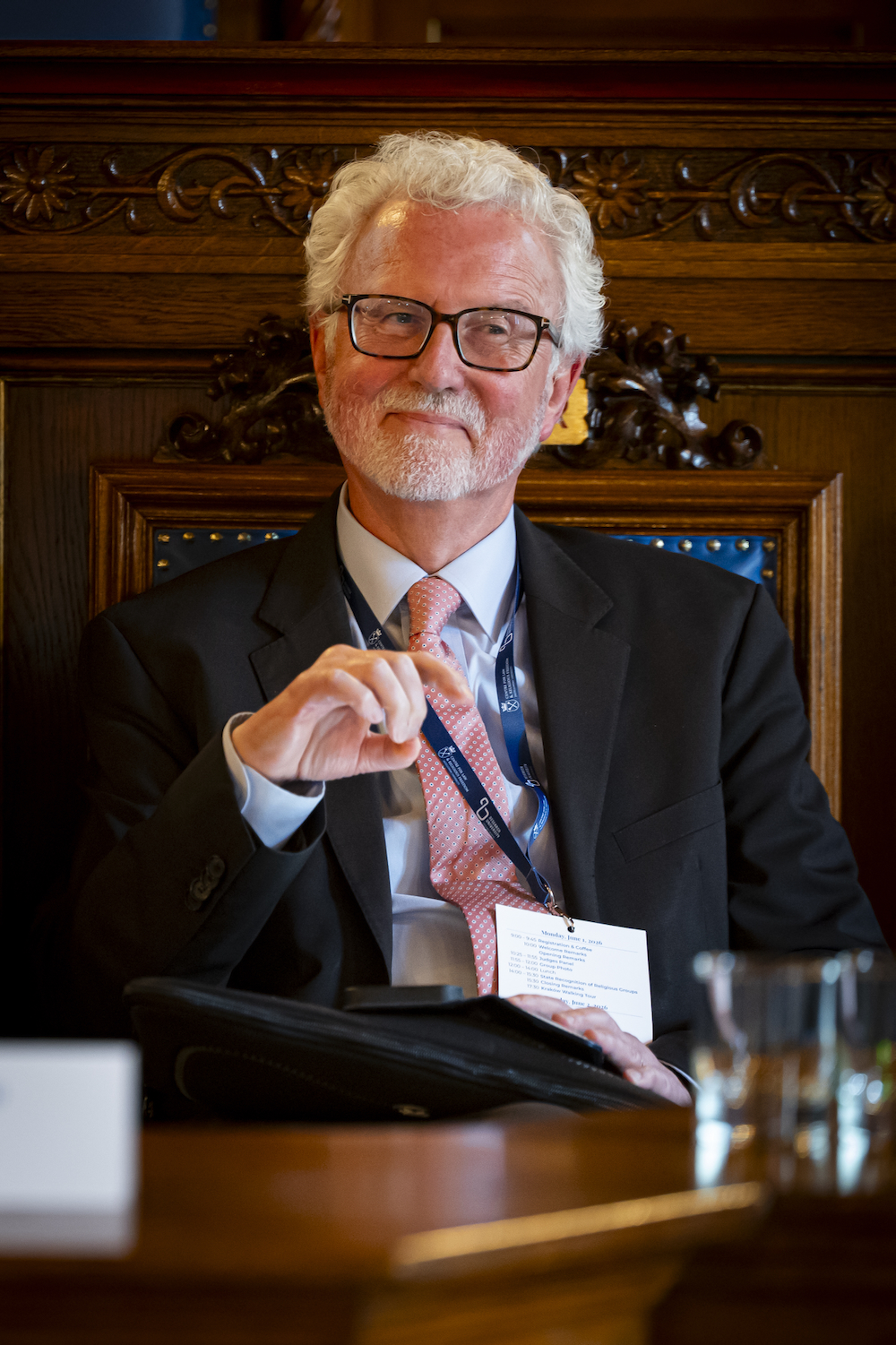
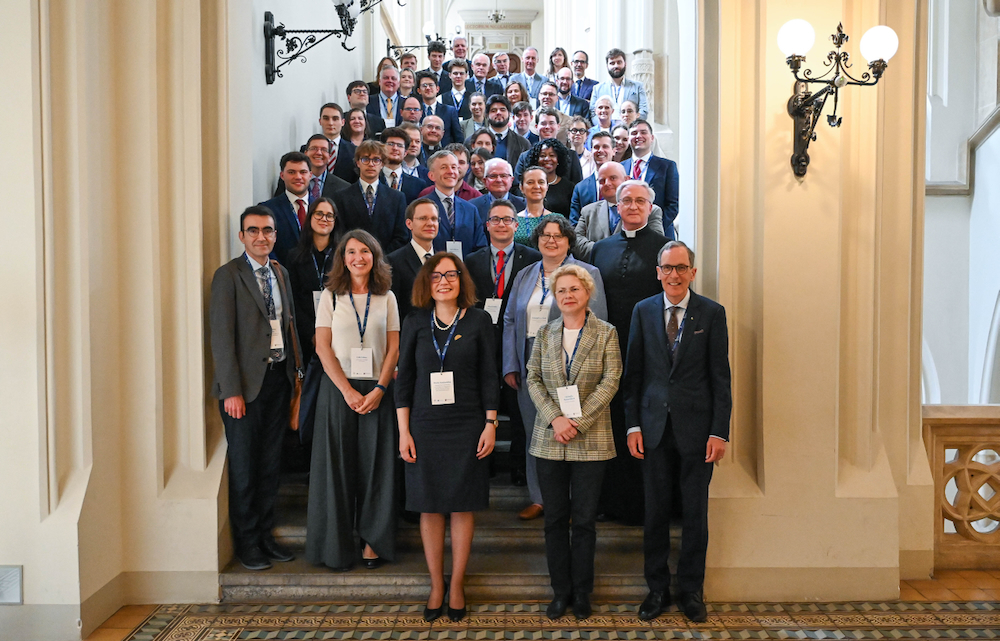
The Centre for Law and Religious Freedom at the Department of Roman Law at Jagiellonian University, in collaboration with the Religious Freedom Clinic at Harvard Law School and the International Center for Law and Religion Studies at Brigham Young University, organized a conference on "State Regulation and Religious Freedom". The event took place in the Aula of the Collegium Novum at Jagiellonian University in Kraków. It brought together 24 speakers, including judges, practitioners, and scholars from 12 countries, over 20 invited guests from 7 countries, and representatives of the public—a total of approximately 130 conference participants who gathered to engage in constructive discussions on the state of religious freedom around the world.

Following a brief overview of the conference’s theme and context, as well as an introduction of the organizers and sponsors by Grzegorz J. Blicharz, the conference was officially opened by Paweł Laidler, Vice Rector of Jagiellonian University, and Marta Soniewicka, Vice Dean of the Faculty of Law and Administration at Jagiellonian University.


The opening remarks were delivered by Prof. Ruth L. Okediji of Harvard Law School, who is also a member of the Jagiellonian Center’s Advisory Board.

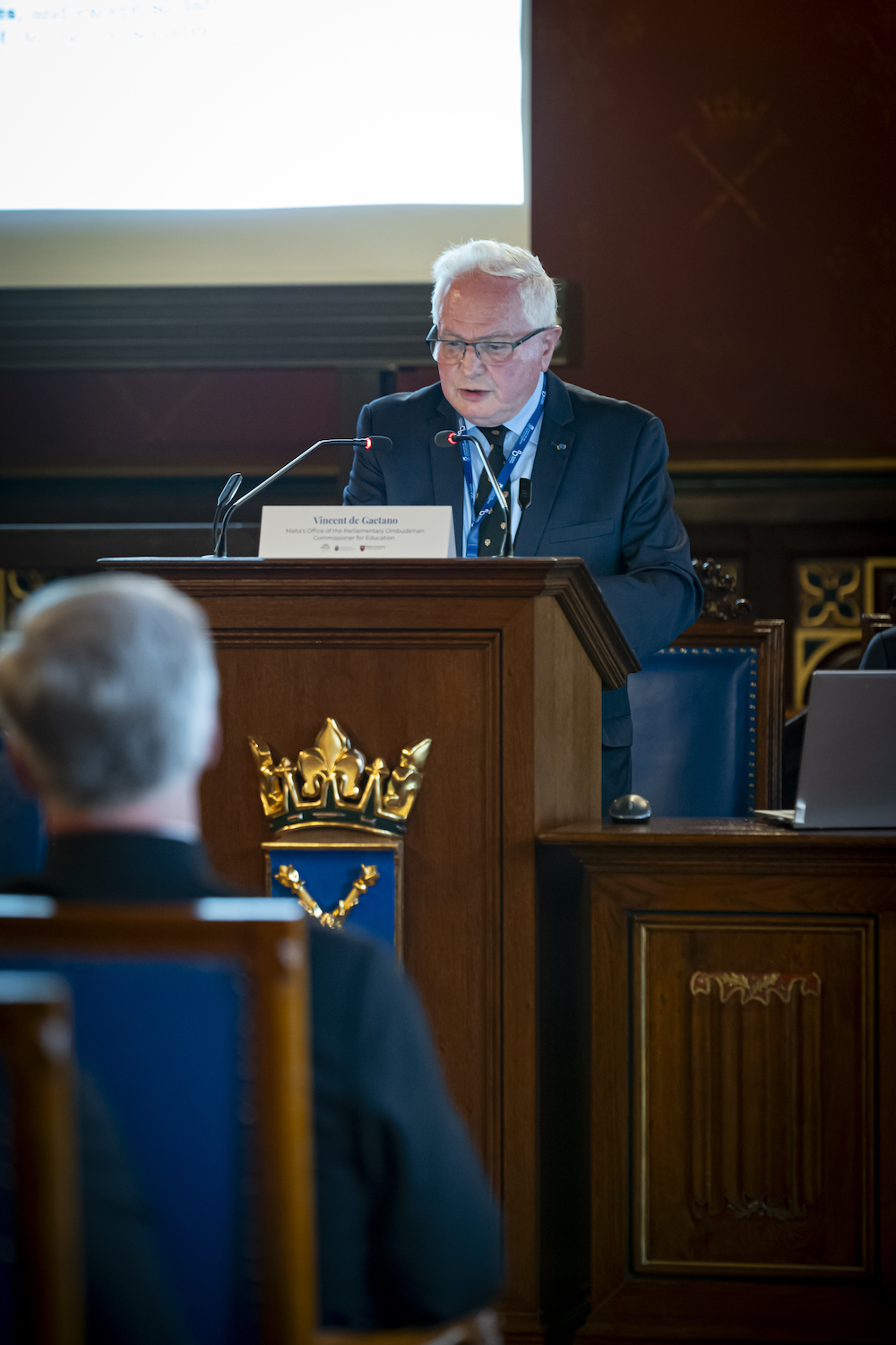
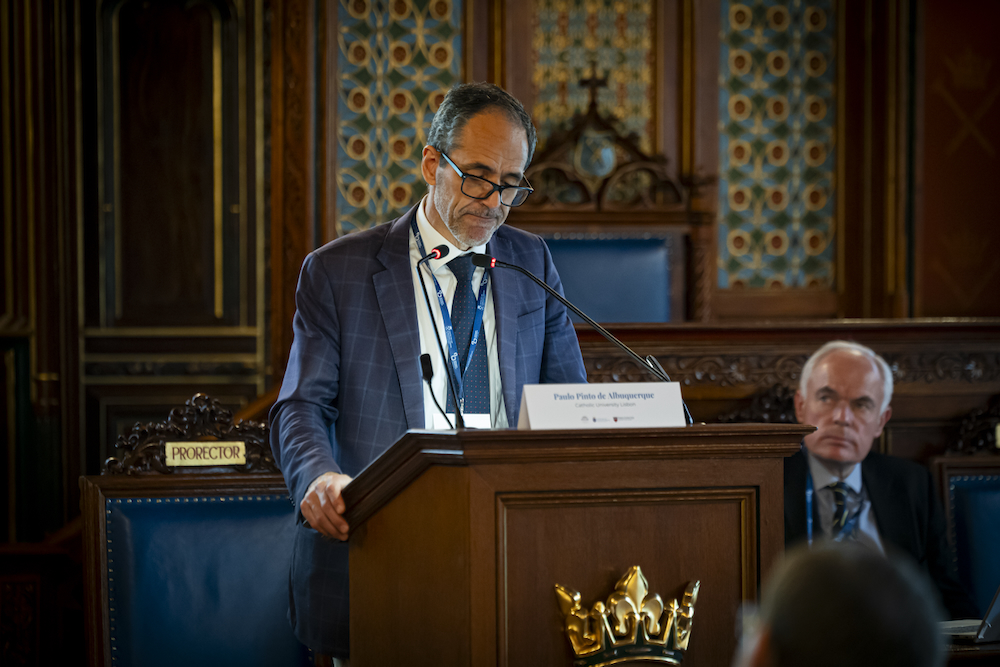
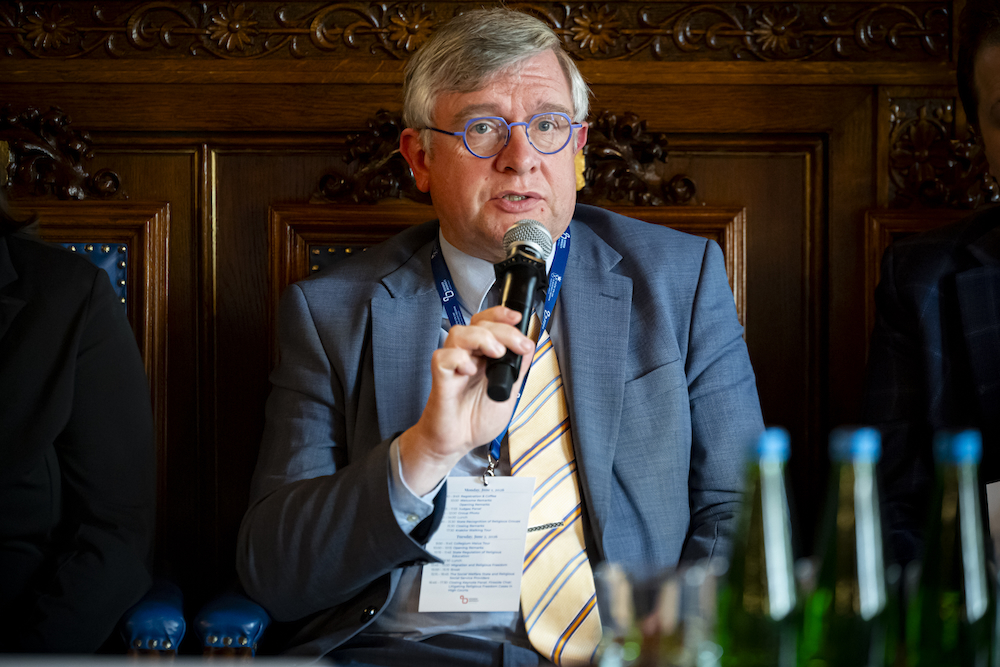
The first panel featured prominent representatives of the judiciary: Lord James Dingemans—Senior President of Tribunals at the Royal Courts of Justice of England and Wales—and three former judges of the European Court of Human Rights: Vincent de Gaetano, Paulo Pinto de Albuquerque, and Krzysztof Wojtyczek.


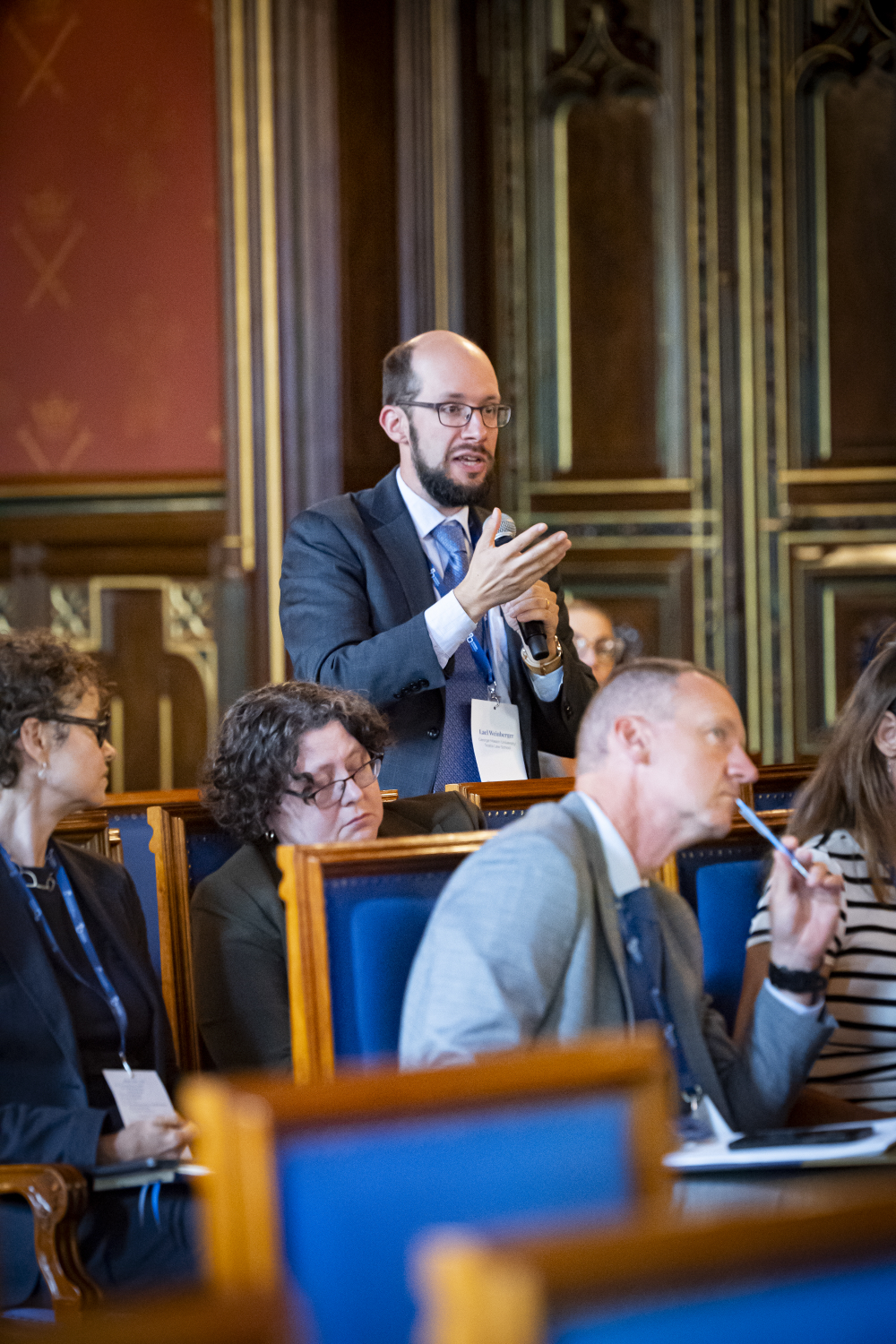
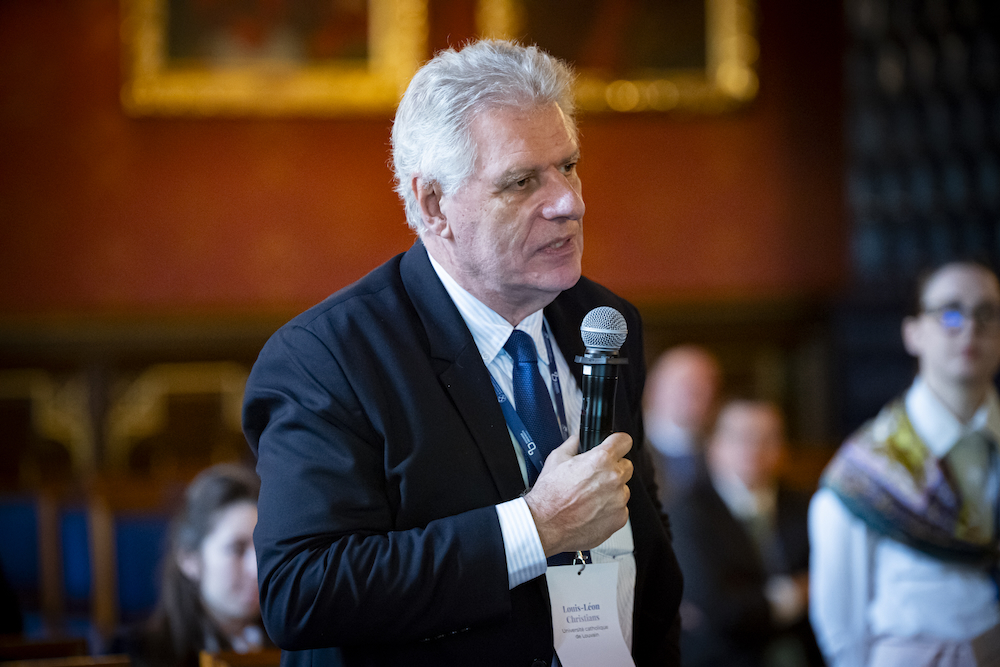
The second panel, moderated by Elizabeth A. Clark, addressed the issue of "State Recognition of Religious Groups"; the speakers were Joshua C. McDaniel, René Pahud de Mortanges, Lael Weinberger, and Louis-Léon Christians.


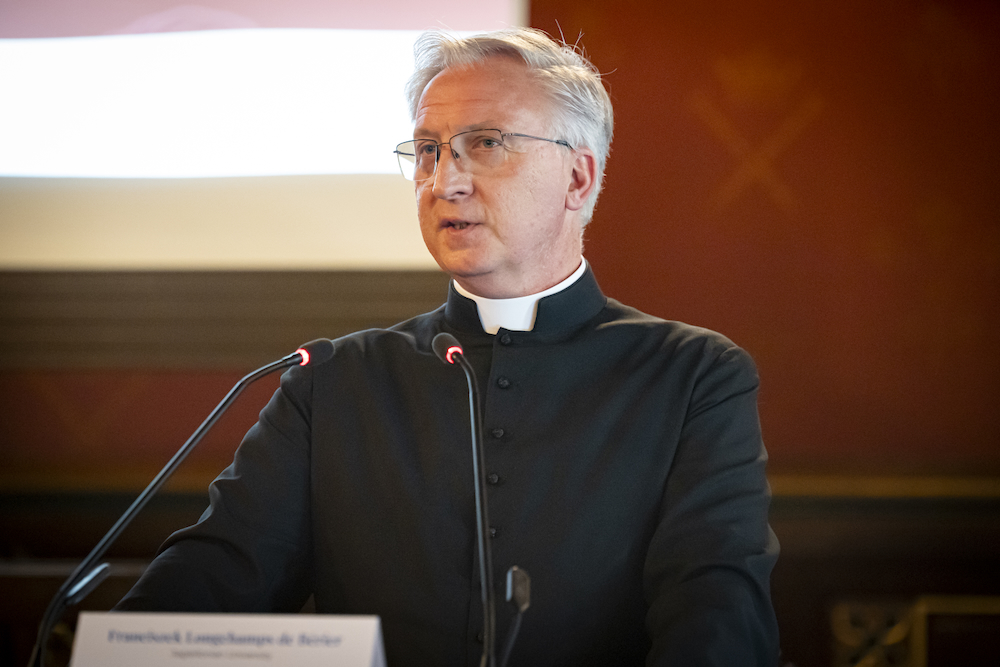
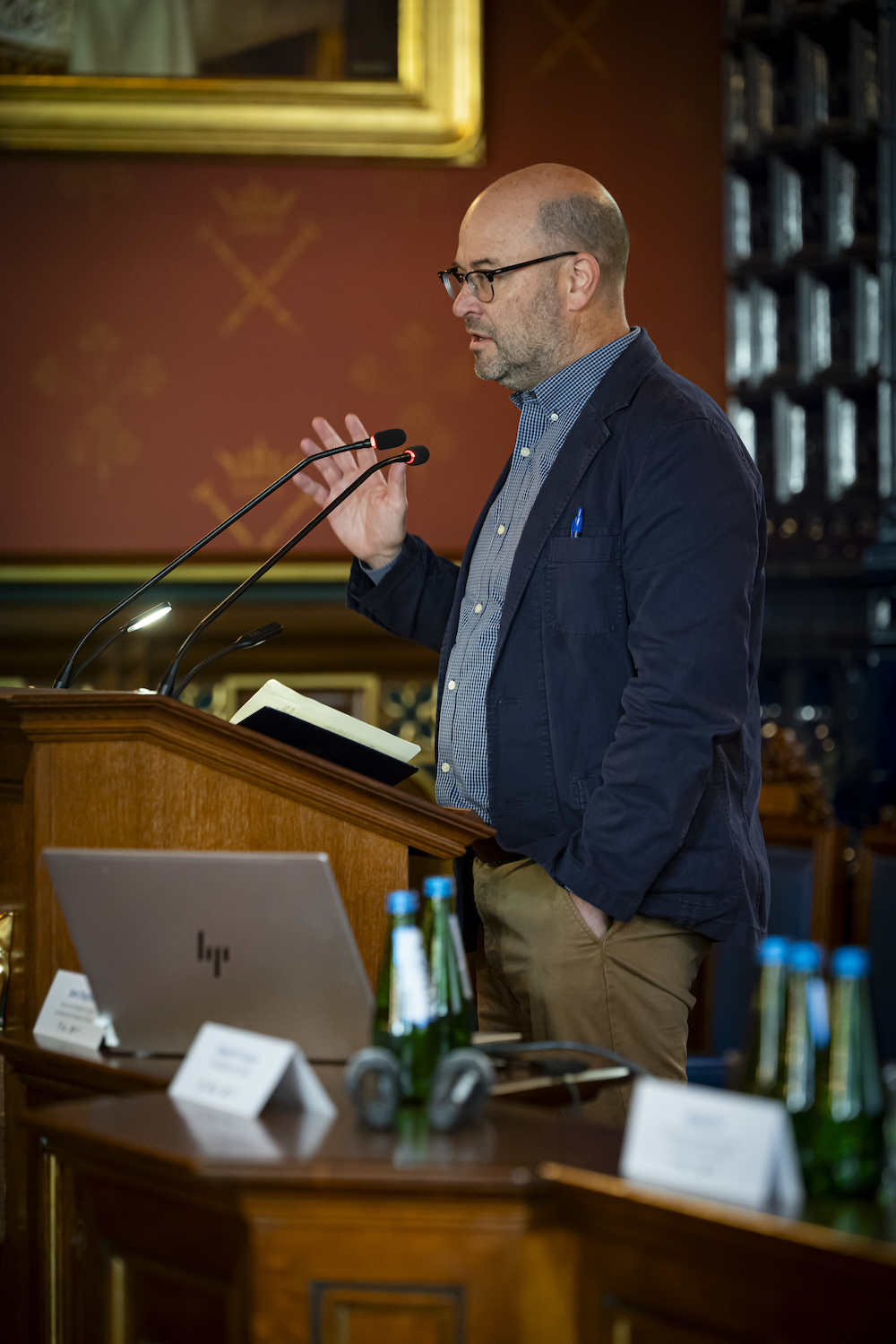
The second day began with an opening address by Franciszek Longchamps de Bérier.

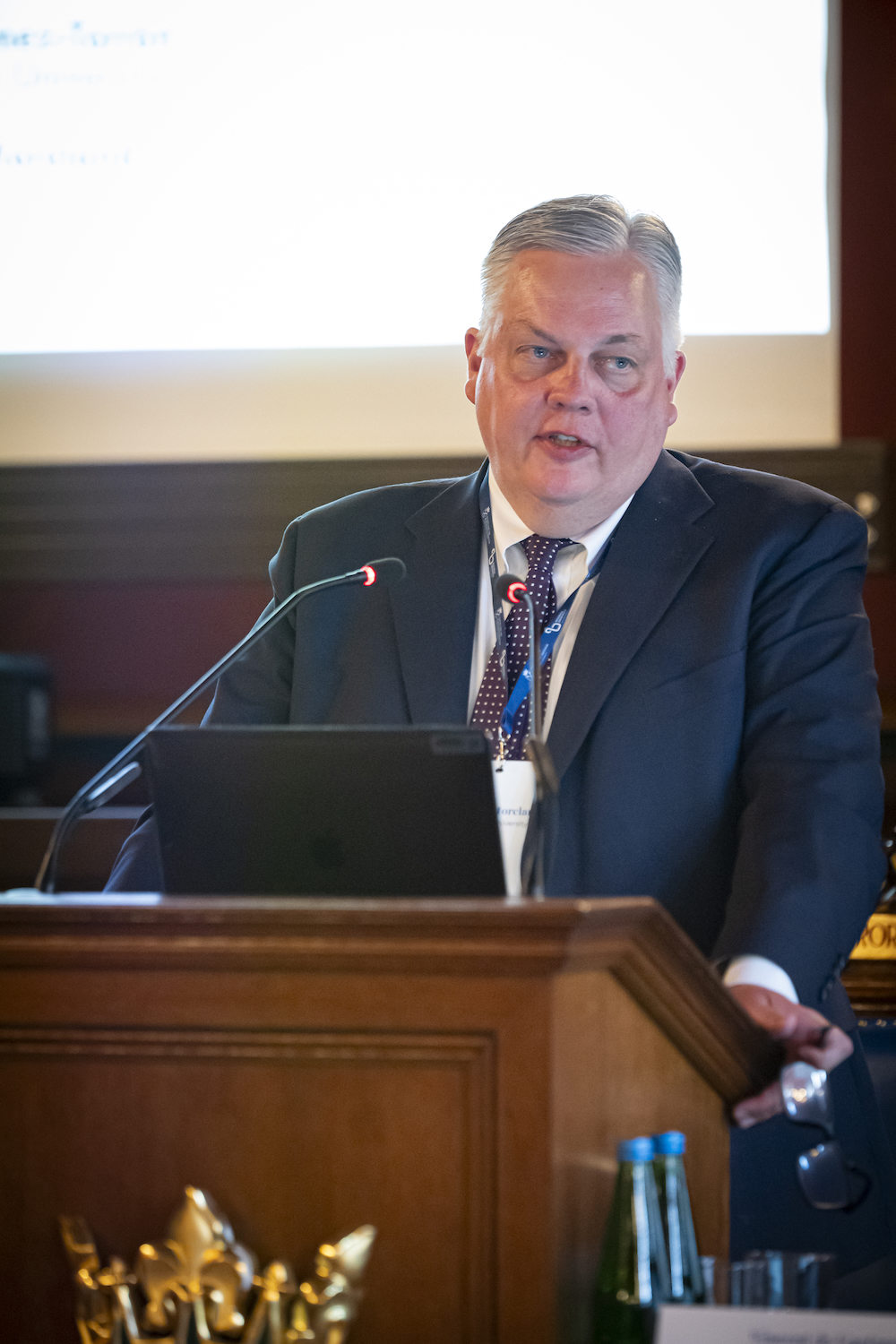
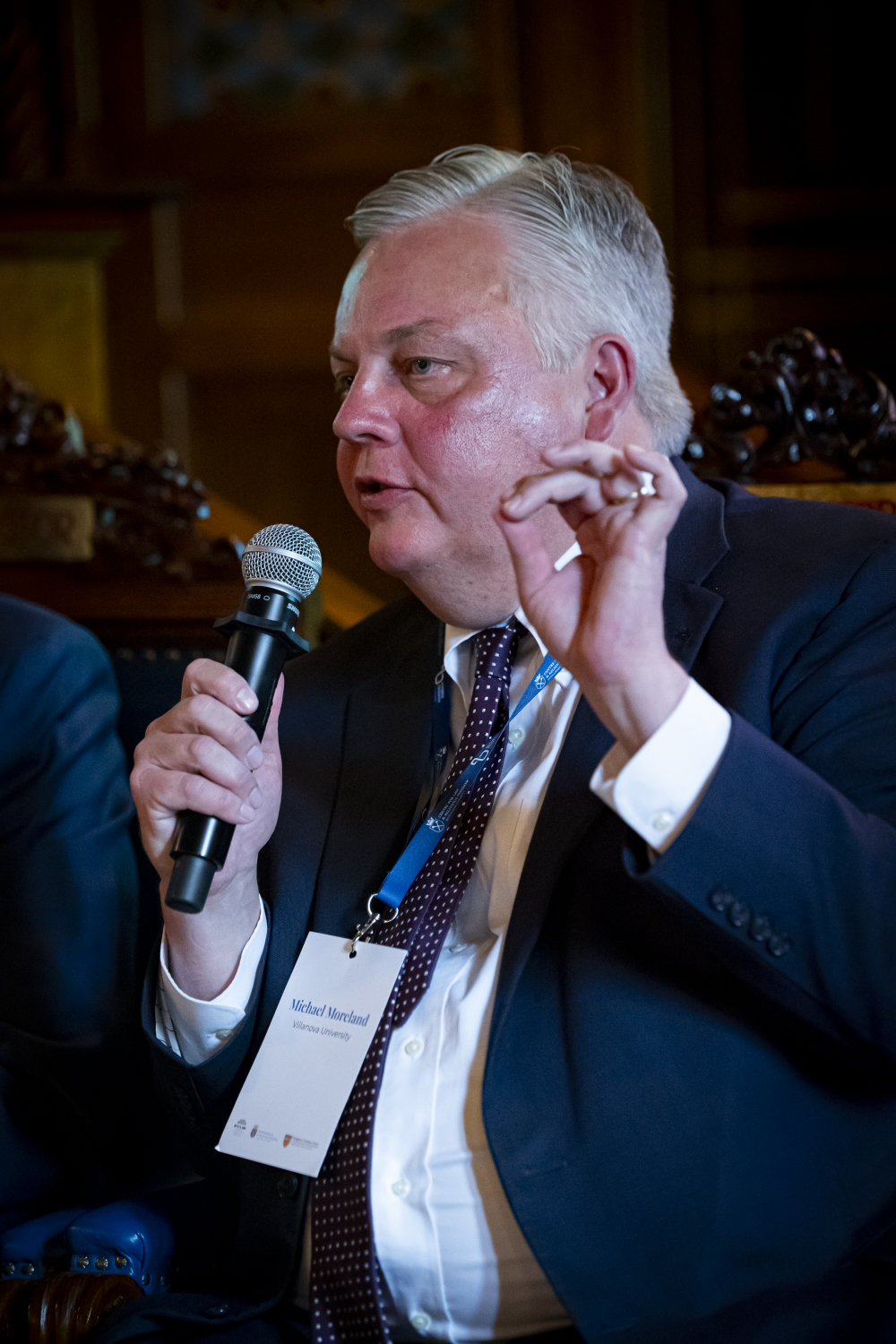
The first panel of the second day of the conference, “State Regulations on Religious Education,” moderated by Vincent de Gaetano, featured Nicole Stelle Garnett, Effie Fokas, Javier Martínez-Torrón, and Michael Moreland.


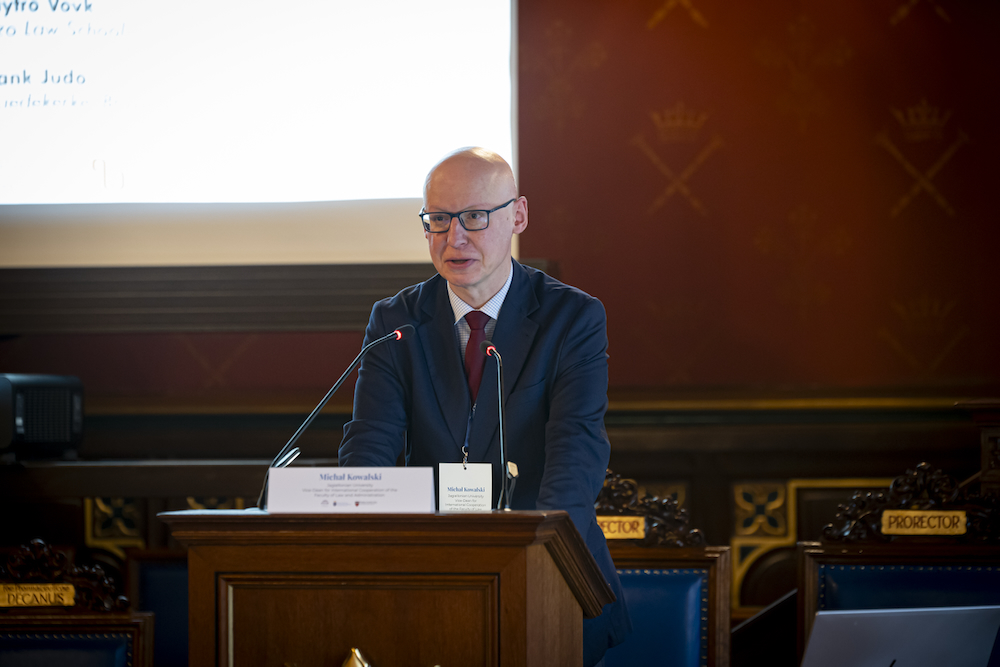
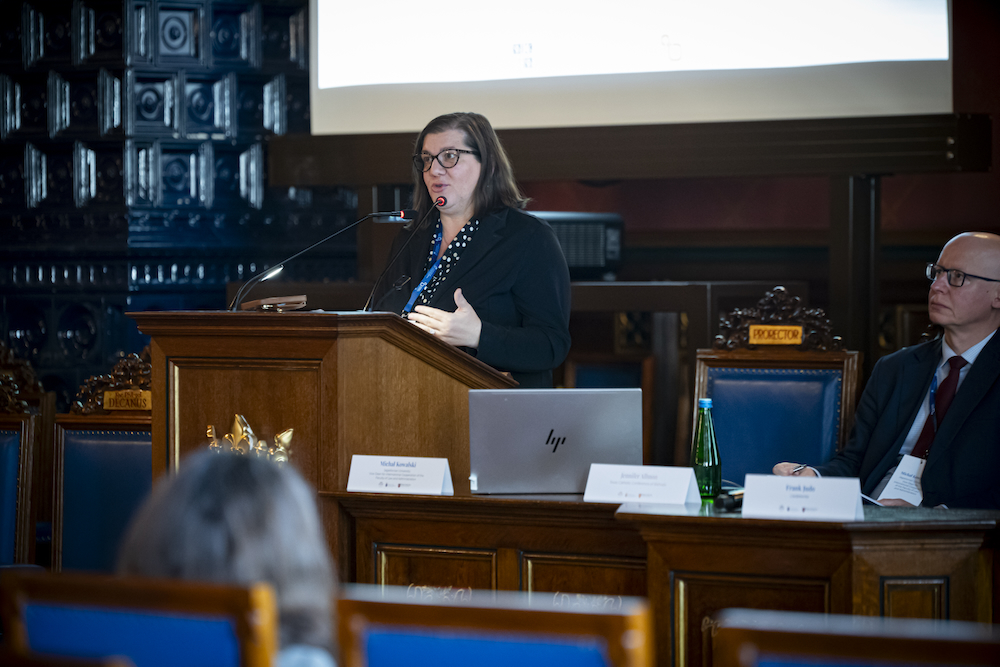
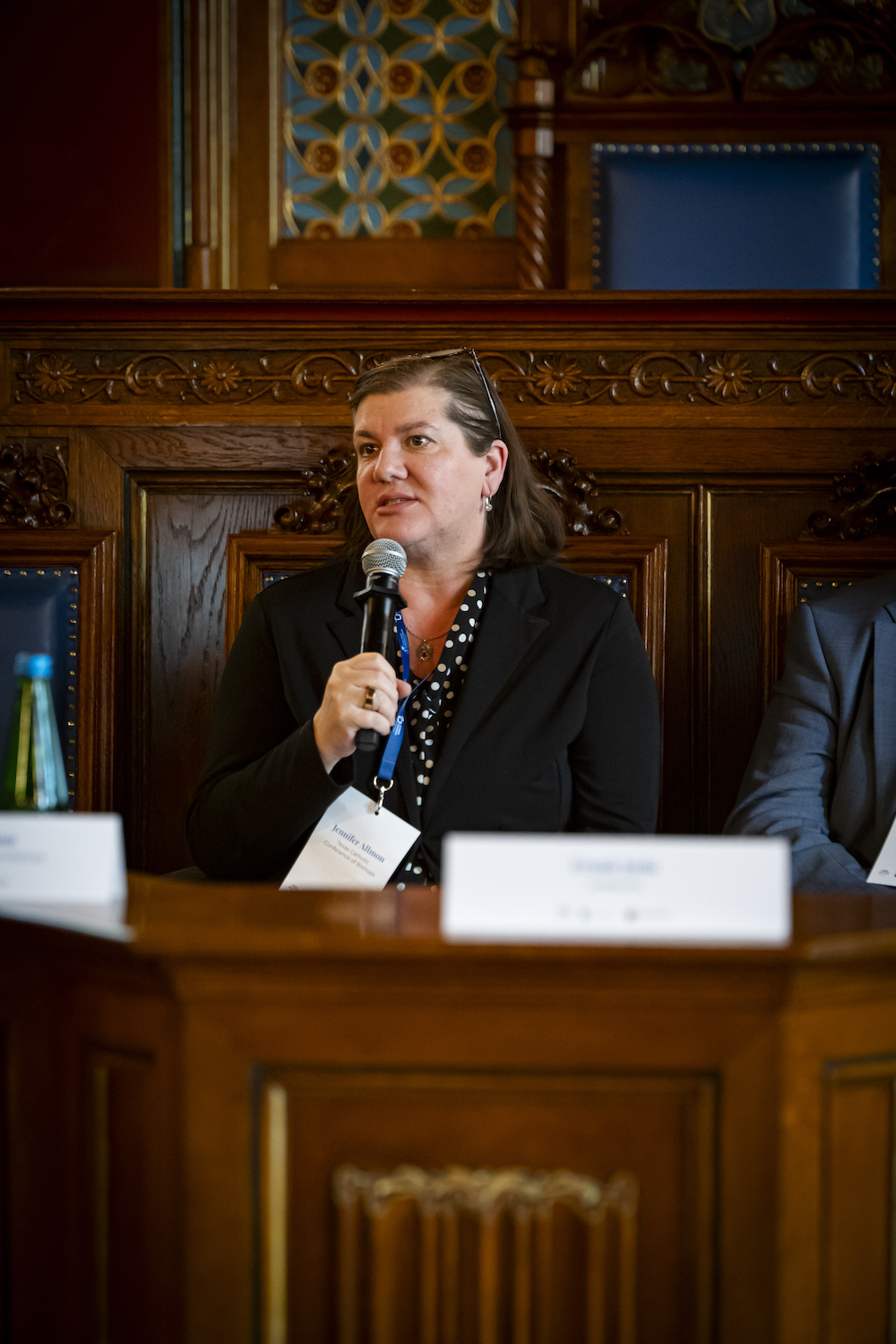
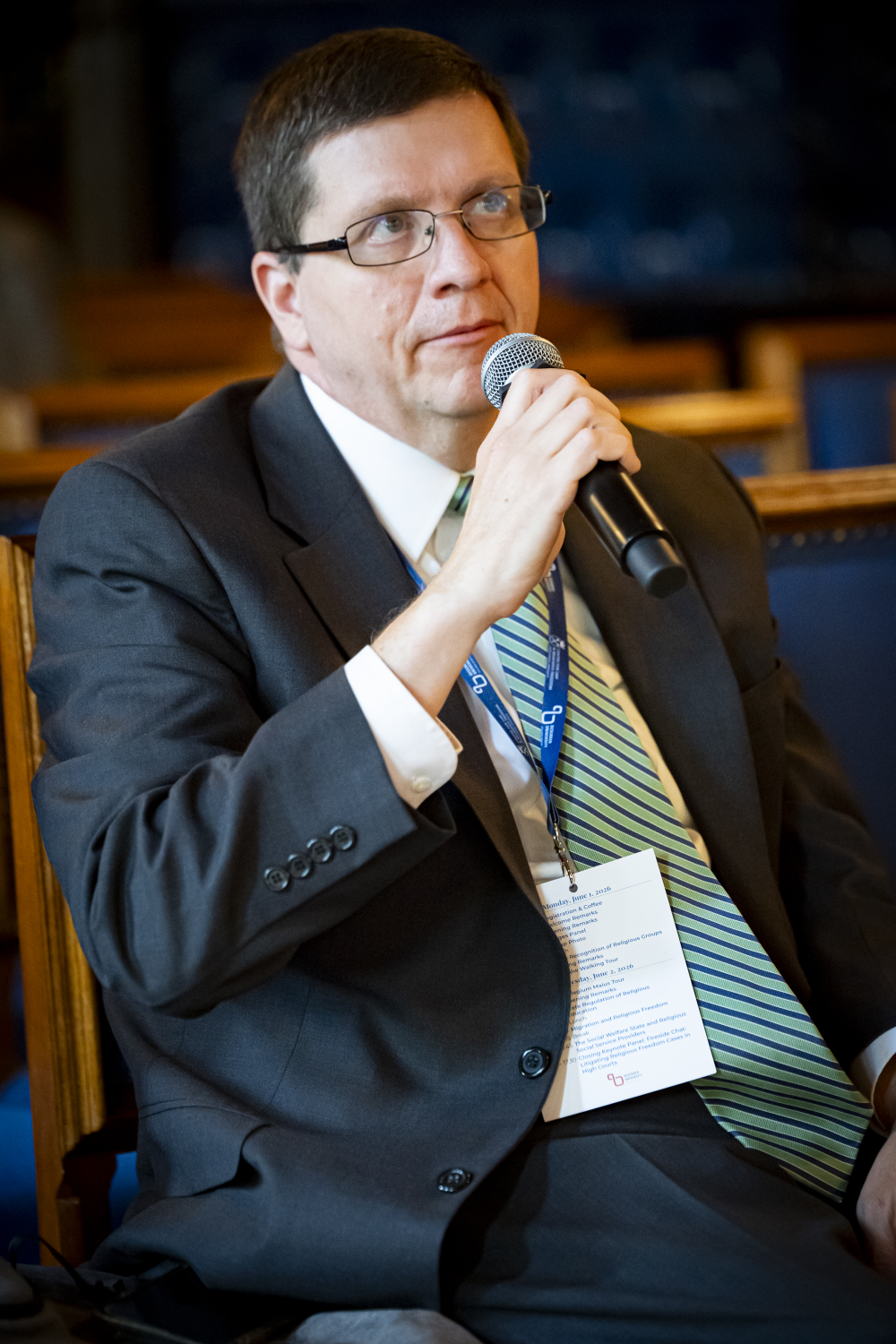
Michał Kowalski, Vice Dean of the Faculty of Law and Administration at Jagiellonian University, moderated the second panel titled “Migration and Religious Freedom,” featuring Jennifer Allmon, Dmytro Vovk, and Frank Judo.


The third panel, titled “The Welfare State and Religious Social Service Providers,” featured Richard W. Garnett, Grzegorz J. Blicharz, and Renata Uitz, and was moderated by James Dingemans.


The conference concluded with a fireside chat on “Litigating Religious Freedom Cases in High Courts,” featuring Eric C. Rassbach and Christopher McCrudden, and moderated by Michael Moreland.


This conference is another example of collaboration between the Centre for Law and Religious Freedom JU and the Religious Freedom Clinic at Harvard Law School – Jagiellonian Centre's faculty: Grzegorz J. Blicharz and Franciszek Longchamps de Bérier, and Centre's associated scholars – Eric C. Rassbach and Joshua C. McDaniel — who also directs the Religious Freedom Clinic at Harvard Law School.
This conference was also the Centre's first collaboration with Elizabeth A. Clark and the International Center for Law and Religion Studies at BYU which deserves particular gratitude for her exceptional support and generosity in preparing this conference.
This year's conference for the first time is generously sponsored by two of Poland’s leading law firms: Sołtysiński Kawecki & Szlęzak and Rymarz Zdort Maruta whose representatives we are pleased to welcome here today: Mateusz Irmiński (Sołtysiński Kawecki & Szlęzak), Paweł Mazur and Mateusz Palian (Rymarz Zdort Maruta).
We are also grateful for the support provided by the Faculty of Law and Administration under the Strategic Programme Excellence Initiative at Jagiellonian University.
We are particularly honored that the Honorary Patronage of this conference has been granted by the Kraków Bar Association.
We would like to extend our special thanks to the organizing team, and especially to the clinical students and fellows from the Jagiellonian Centre, whose work often goes unnoticed but is essential to the success of this event.
Let us thank all speakers and participants once again. We hope that this exchange of views will continue beyond these two days and that it will also contribute, in writing, to the ongoing discussion on religious freedom in contemporary society.